If you've ever dealt with stubborn beard itch, unsightly flaking (beardruff), or hair that just won't lay flat, you understand that beard care is not a simple game. It is much more of a technical challenge. Most men fail because they treat the symptoms (dryness) instead of the chemical and mechanical causes (improper pH balance and excessive friction).

This information is not just a collection of product reviews; this is your definitive, data-driven routine for achieving optimal beard health.

As the Lead Product Analyst at Shaving Emporium, I approach grooming products through a lens of technical evaluation and dermatological safety. The process of growing and maintaining a beard is defined by four key phases:

  1. Cleansing
  2. Conditioning
  3. Styling
  4. Trimming.

I leverage my background in consumer electronics and retail analysis to break down the mechanics That ranges from pH levels and formulation science to motor CPM in trimmers. This guide will walk you through the correct product usage, ensuring you achieve maximum results while preventing damage.

About the Author

Follow me

Enda McLarnon is the Founder of Shaving Emporium and the site's Lead Product Analyst. Leveraging a background in Senior Retail Management and Business Analysis, he approaches grooming reviews through a lens of product value, technical specification, and verifiable UK consumer consensus.

Read My Full Bio & Testing Philosophy


⚠️ METHODOLOGY DISCLOSURE: All recommendations at Shaving Emporium are based on years of expertise, synthesized from verified UK consumer reviews, technical product specifications, and formulation analysis. I provide an expert data-driven perspective to guide your purchase.

Phase 1: Cleansing & Foundation (Shampoo & Moisturiser Analysis)

The common cause of beard related discomfort (itch, beardruff, dryness) is actually a chemical interaction, and not follicular. The key goal of this phase is to maintain the skin’s natural protective layer, known as the Acid Mantle.

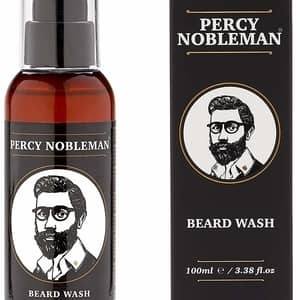
beard shampoo reviews

Step 1: The Chemical Wash (Shampoo)

Analyst Fact: The skin under your beard has a natural pH level of approximately 5.5 (slightly acidic). Using regular hair shampoo (often pH 6-7 or higher) strips the protective Acid Mantle layer. That can lead to dryness, irritation, and "beardruff."

Recommendation: Look for sulfate-free formulas that specifically mention pH balancing or low pH ingredients like Citric Acid, as they are designed to clean without stripping essential moisture.

Product Recommendation

Technical Feature

Why We Recommend It

Opie's Beard Co. Wash

pH 4-6 range

Explicitly formulated to replicate the skin's natural acidity, minimizing barrier disruption.

Scotch Porter Moisturizing Wash

Sulfate-Free & Rich in Vitamin B5

Focuses on hydration with moisturising ingredients, reducing the need for harsh surfactants.

Twisted Moustache Shampoo Bar

Free from Essential Oils

A great option for highly reactive skin, using a simpler formula to lower the risk of chemical sensitivities.

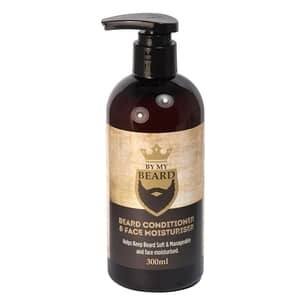
Step 2: Skin Health (Moisturiser/Conditioner)

L'Oreal Men Expert Barber Club Short Beard & Face Moisturiser, 50ml

Analyst Fact: For healthy hair growth, the skin underneath must be nourished. Look for beard conditioners that contain Argan, Jojoba, or Shea Butter. These ingredients mimic natural sebum and have a low comedogenic rating, meaning they won't clog pores and cause acne beneath the beard.

Phase 2: Conditioning & Health (Oil, Balm, & Vitamins)

This phase moves beyond cleansing to sustained nourishment and structural support of the beard. The products used here primarily manage moisture loss and styling demands. While often confused, Beard Oil and Beard Balm have distinct molecular purposes, and using them correctly is key to eliminating itch and brittleness.

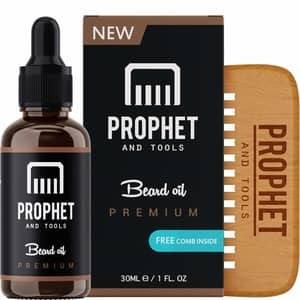
beard oil reviews
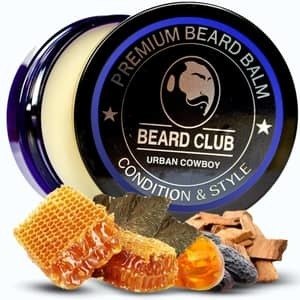
beard balm reviews

Oil vs. Balm: The Molecular Difference:

Product

Primary Purpose

Chemical Composition

Molecular Role

Beard Oil

Nourishment & Hydration

Low-viscosity, fast-absorbing Carrier Oils (Jojoba, Argan) and Essential Oils

Designed to penetrate the skin's epidermis and nourish the follicle from within, combating itchiness and dryness.

Beard Balm

Sealing & Light Hold

A semi-solid emulsion containing Waxes (e.g., Beeswax, Carnauba) and Butters (e.g., Shea).

Designed to sit on the surface of the hair and skin to seal in moisture (occlusive layer) and provide a pliable, structural matrix for shaping.

  • Beard Oil (Hydration): A low-viscosity blend (carrier and essential oils) designed to be absorbed by the skin first to combat itchiness and flaking. Its structure is primarily for nourishment.
  • Beard Balm (Sealing & Hold): A thicker formula containing waxes (like Beeswax or Carnauba) and butters (like Shea). It is designed to sit on the surface of the hair to seal in moisture and provide light, pliable hold.

Analyst Verdict: Oil is the foundation for skin health and hydration (applied daily after washing); Balm is the structural finish used to manage frizz and seal moisture (applied after oil). Using balm without oil can lead to dryness over time.

Internal Health (Vitamins):

beard growing vitamins

External products address existing damage, but internal supplements support the growth of new, healthy hair.

  • Biotin (Vitamin B7): This is the most frequently studied supplement. Its role is essential for the production of keratin, the structural protein that hair is made of. The E-E-A-T focus here is that biotin supports growth only if a deficiency exists; otherwise, its impact is marginal.
  • Zinc: Zinc is vital for tissue growth and repair, including the hair follicle. Low zinc levels can lead to poor hair quality and even loss, making targeted supplementation important for those with dietary restrictions.

Application Sequence

The order of application is a technical process that maximises absorption and hold:

  1. Prep: Dry the beard to about 80% (water dilutes the oil).
  2. Hydrate: Apply Beard Oil first to ensure the smallest molecules reach the skin and follicle before the pores close.
  3. Seal/Style: Apply Beard Balm last. Its waxy structure seals the oil underneath and provides the necessary surface friction for styling.

Phase 3: Trimming & Tool Efficiency (Trimmers, Combs, Brushes, Bibs)

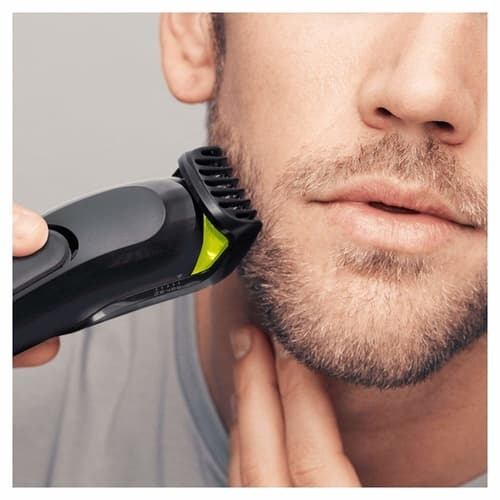
This phase deals with the maintenance and structural integrity of the beard. The focus here is on motor power, blade precision, and reducing friction to prevent damage during the physical process of grooming.

stubble trimmers

1. Trimmer Mechanics: Speed vs. Pulling

The most crucial factor in a quality trim is the motor speed, often measured in Cuts Per Minute (CPM) or Cycles Per Minute.

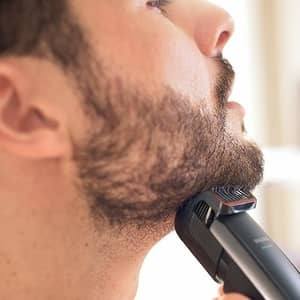
  • Analyst Fact: For thick, dense beards, a high-torque motor delivering over 10,000 CPM is essential. Lower-speed motors tug at coarse hair, which can damage the follicle, increase irritation, and lead to an uneven cut. High CPM ensures hair is cut instantly and cleanly, reducing the need for damaging repetitive passes.
  • Blade Materials: Look for blades made of Japanese Steel or high-grade Stainless Steel. While ceramic blades are great for hair clippers (less heat), steel is the standard for beard trimmers due to its required durability and sharpness.

2. Comb and Brush Material Science

Brushing and combing are necessary for shaping and distributing product, but the wrong tool can cause static damage and breakage.

beard comb review

Tool

Benefit

Technical Benefit

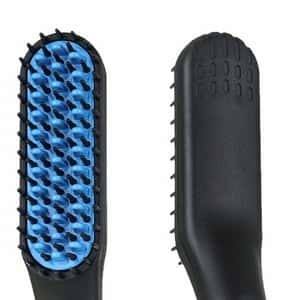
Boar Bristle Brushes

Sebum Distribution

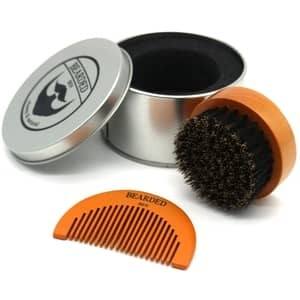
The natural scale (cuticle) structure of boar hair effectively distributes natural sebum and applied oil from the root to the tip, essential for reducing dryness.

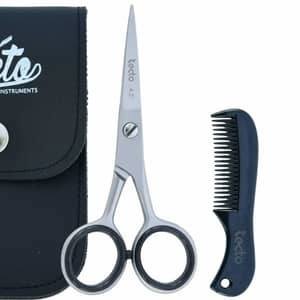
Wood or Acetate Combs

Static Charge Reduction

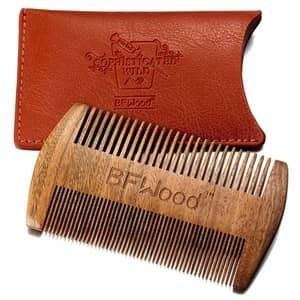
Cheap plastic generates a negative static charge which causes the hair to repel, leading to frizz. High-quality wood or acetate dissipates this charge, resulting in a sleeker finish.

3. The Cleanup Phase (Dyes and Bibs)

Beard Shaving Catcher Bib – The Smart Way to Shave – Beard Trimming Apron & Shaving Cape – Perfect Grooming Gift or Men's Birthday Gift – Includes Shaping Comb, Bag & Grooming E-Book - by Mobi Lock
  • Beard Bibs (Ergonomics): These are simple, but highly efficient tools that address a key user pain point: cleanup. Their value is purely in convenience and workflow, saving time and preventing plumbing clogs.
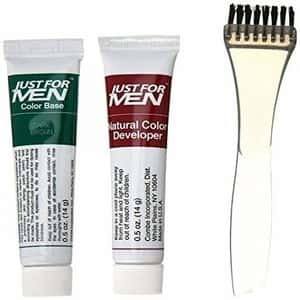
  • Dye Safety (Chemical Warning): If using beard dye, please be fully aware. Dyes are chemical products containing ingredients like PPD (paraphenylenediamine). Always insist or use a patch test 48 hours before application, as this product may lead to potential allergic reactions.

The Full Routine Step-by-Step

This section combines all the technical analysis from Phases 1, 2, and 3 into a simple, actionable process. This is your ultimate user takeaway.

Step

Action

Why Do It?

Recommended Products

1. Cleanse (Daily)

Use a pH balanced beard wash. Gently scrub the skin beneath the beard.

pH Balance: Prevents stripping the skin's protective Acid Mantle (Phase 1).°C

2. Condition (Daily)

Apply Beard Oil to a slightly damp beard (80% dry).

Absorption: Ensures the low-viscosity molecules penetrate the skin and follicle before pores close (Phase 2).

3. Seal & Style

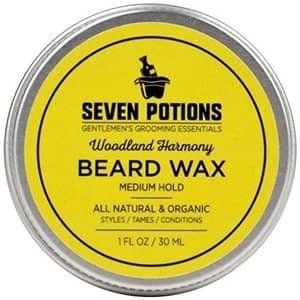
Apply a small amount of Beard Balm or Wax to the surface.

Occlusion & Hold: The waxes seal the oil underneath and provide the structural matrix for shaping (Phase 2).

Beard Balm/Wax

4. Detangle & Distribute

Use a Boar Bristle Brush or Wood Comb.

Friction & Static: Distributes product evenly and reduces static charge build up (Phase 3).

Beard Brush/Comb

5. Maintain (As Needed)

Trim only with high CPM motors; perform a patch test for dyes.

Tool Efficiency: High motor speed prevents pulling; patch testing prevents allergic reactions (Phase 3).

Summary

As an analyst, my conclusion is that achieving a healthy, comfortable beard is less about finding a single "magic product" and more about implementing a technically sound routine. The core of beard health lies in two areas: maintaining skin pH balance (Phase 1) and minimising friction (Phase 3). 

By choosing products based on their formulation science (waxes, oils, pH levels) rather than marketing hype, you can eliminate common issues like itchiness and breakage. Follow this step-by-step guide to transition your grooming from a collection of random products to a deliberate, data-backed process.

About the Author Enda McLarnon


Thanks for visiting the Shaving Emporium website. This is a shaving website aimed at readers in the UK and Ireland. We are experienced experts and have included lots of information about shaving and grooming, and we have also completed detailed research that helps us write our product reviews. We like to have our information as up to date as possible.

Get In Touch