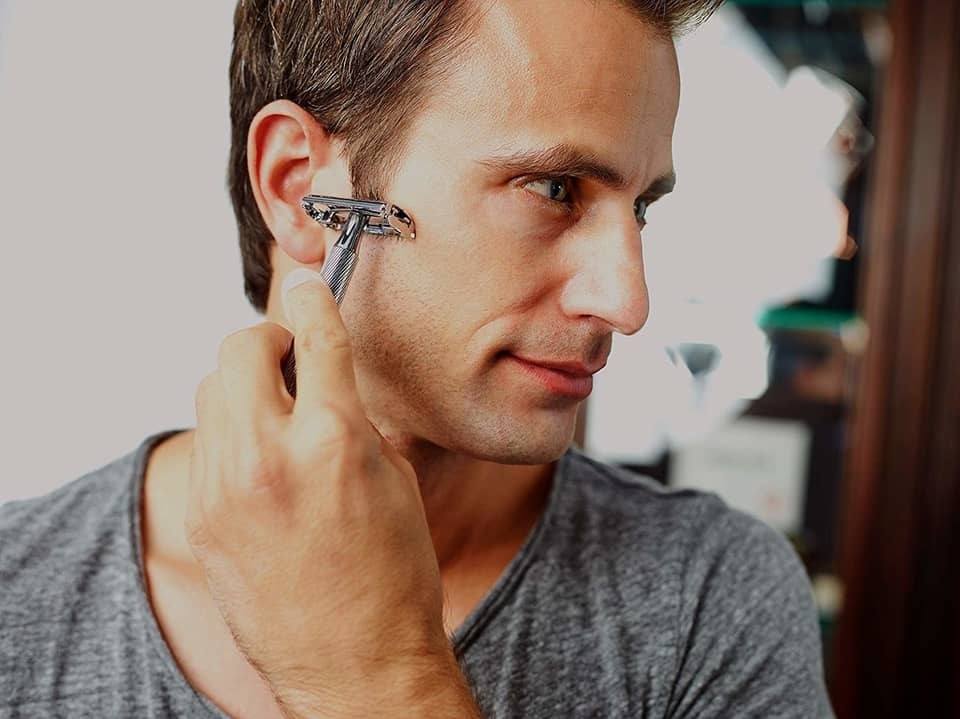
Safety razors have been a staple of traditional shaving for over a century and for good reason. They offer a closer shave, better control, cheaper blades, and far less irritation than modern cartridge systems. Whether you’re a beginner switching from disposables or an experienced wet shaver looking to refine your technique, this guide covers everything you need to know.
This is the complete UK safety razor guide: how they work, how to choose one, how to shave with one, and which models are worth your money.
What Is a Safety Razor?
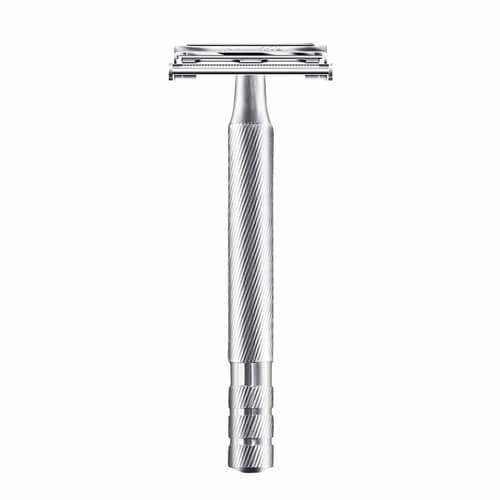
A safety razor is a traditional shaving tool that uses a single double‑edge blade held between two metal plates. The design exposes just enough of the blade to cut hair cleanly while protecting the skin with a guard or comb.
Why they’re popular again
- Closer shave than cartridges
- Less irritation
- Cheaper blades
- Eco‑friendly
- Long lasting engineering
- Ideal for wet shaving
Safety razors are used by beginners, enthusiasts, and barbers across the UK.
How a Safety Razor Works
A safety razor has three main components:
- Handle – provides grip and weight
- Head – holds the blade
- Blade – a double‑edge stainless steel blade
The head controls:
- Blade gap
- Blade exposure
- Aggressiveness
- Shaving angle
These engineering details determine how mild or aggressive the shave feels.
Safety Razor Head Types
Closed Comb (Most Common)
- Best for beginners
- Smooth, controlled shave
- Less blade exposure
- Ideal for daily shaving
Some popular choices are the Merkur 34C and the Edwin Jagger DE89
Open Comb
- More aggressive
- Better for coarse or dense beards
- Excellent for experienced shavers
Slant Bar
- Blade is twisted for a slicing action
- Very efficient
- Best for tough stubble or sensitive skin
Adjustable Razors
- Adjustable blade gap
- One razor for mild or aggressive shaving
- Great for learning your preferences
Understanding Blade Gap & Aggressiveness
Blade Gap
The distance between the blade and the safety bar.
- Small gap is mild, forgiving
- Large gap is aggressive, efficient
Blade Exposure
How much of the blade sticks out.
- Neutral exposure is balanced
- Positive exposure is more aggressive
- Negative exposure is very mild
Aggressiveness
A combination of gap, exposure, and head geometry.
Check out my page on the best safety razors UK, or, choosing the best safety razor, or, Merkur 34C vs 38C Comparison.
Handle Length & Weight
Short Handles
- More control
- Better for precision
- Favoured by experienced shavers
Long Handles
- Easier for beginners
- Better for larger hands
- More leverage
Weight
Heavier razors require less pressure making them ideal for beginners.
Choosing the Right Safety Razor
Here’s a simple guide:
If you’re a beginner
- Closed comb
- Mild to medium aggressiveness
- Medium weight
- Short or medium handle
Consider one of these safety razors, the Merkur 34C, Edwin Jagger DE89, Wilkinson Sword Classic
If you have coarse or thick stubble
- Open comb or slant
- Medium to high aggressiveness
Consider one of these safety razors, the Muhle R41
If you want one razor for everything
- Adjustable razor
If you want a premium UK‑made razor
- Stainless steel
- CNC‑machined
- High durability
Consider the Edwin Jagger 3ONE6 review
How to Shave With a Safety Razor
1. Preparation
- Wash with warm water
- Apply shaving soap or cream
- Use a brush to lift the hairs
2. Shaving Technique
- Hold the razor at ~30°
- Use short strokes
- Let the weight of the razor do the work
- Shave with the grain
- Re‑lather before each pass
3. Aftercare
- Rinse with cold water
- Apply balm
- Clean and dry the razor
You can read more detail in my article on how to shave with a safety razor
Common Beginner Mistakes
- Pressing too hard
- Using the wrong angle
- Shaving too fast
- Shaving against the grain too early
- Using dull blades
- Repeating strokes without lather
Check out my article on “Shaving Soap vs Shaving Cream for Safety Razors” or “Choosing the Best Safety Razor”
Recommended Safety Razors
Beginner Friendly
Intermediate
Advanced
- Edwin Jagger 3ONE6
- Open comb razors
- Slant razors
Safety Razor Comparisons
Safety Razor Maintenance
- Rinse after each pass
- Dry thoroughly
- Replace blades every 5–7 shaves
- Deep clean monthly
- Avoid dropping (can misalign the head)
My Final Thoughts
A safety razor is one of the most effective, economical, and enjoyable ways to shave. With the right razor, proper technique, and a good lather, you’ll get a closer shave with less irritation and spend far less on blades.
Use the links throughout this guide to explore reviews, comparisons, and technique articles across the site.