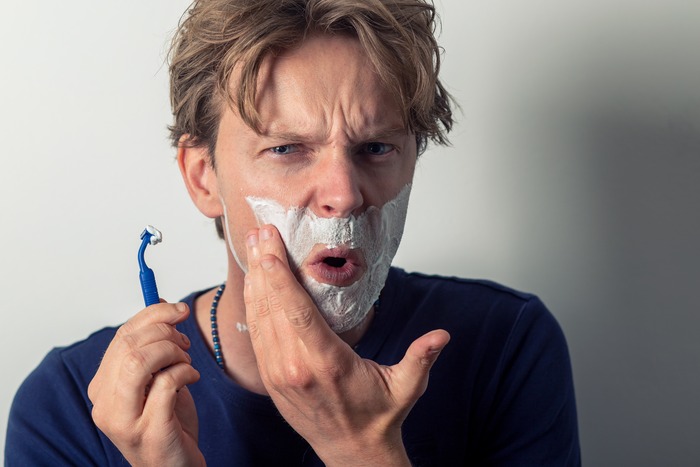
If shaving hurts your skin, whether it stings, burns, feels tight, or leaves you red and irritated, you’re not alone.
Many UK men experience discomfort during or after shaving, especially in colder months when indoor heating dries the skin. The good news? Shaving pain is almost always caused by a few fixable issues.
This guide explains the real reasons shaving hurts your skin and gives you practical steps to make shaving smooth and comfortable again.
1. Your Skin Is Too Dry Before Shaving
Dry skin = friction = pain.
When the skin isn’t hydrated, the razor drags instead of gliding. This causes:
- stinging
- burning
- tightness
- redness
Fix it:
- Splash with warm water for 30–60 seconds
- Use a gentle cleanser
- Apply a quality shaving cream or gel
If you have sensitive skin, see: How to Shave With Sensitive Skin
2. You’re Using a Dull Blade
A dull blade pulls the hair instead of cutting it cleanly.
This causes:
- tugging
- scraping
- micro‑tears
- irritation
Fix it:
Replace blades regularly:
- Cartridge razors: every 5–10 shaves
- Safety razor blades: every 3–5 shaves
- Electric foils: every 12–18 months
If you get razor burn, see: How to Prevent Razor Burn
3. You’re Shaving Against the Grain Too Early
Shaving against the grain gives a close shave — but it also causes pain if done too soon.
It can lead to:
- razor burn
- red spots
- bumps
- ingrown hairs
Fix it:
- First pass: with the grain
- Second pass: across the grain
- Against the grain: optional
If you struggle with bumps, see: How to Avoid Shaving Bumps
4. You’re Using Too Much Pressure
Pressing harder does not give a closer shave — it just scrapes the skin.
This causes:
- burning
- soreness
- redness
- irritation
Fix it:
Use:
- light pressure
- short strokes
- frequent rinsing
For technique help, see: Shaving Tips Guide
5. Your Razor Type Isn’t Right for Your Skin
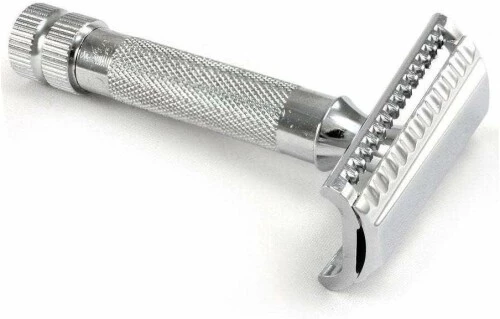
Some razors are simply too harsh for certain skin types.
If shaving hurts, avoid:
- multi‑blade cartridges (3–5 blades)
- cheap disposables
- aggressive razors
Better options:
- a mild safety razor
- a single‑blade razor
- a foil electric shaver (gentlest option)
See:
6. Your Hair Is Too Coarse or Curly
Coarse or curly hair is harder to cut and more likely to cause pain.
This can lead to:
- tugging
- ingrown hairs
- bumps
- soreness
Fix it:
- Use warm water to soften the hair
- Use a shaving cream with glycerin or shea butter
- Avoid multi‑blade cartridges
If you get ingrown hairs, see: How to Prevent Ingrown Hairs
7. You’re Not Prepping the Jawline or Neck Properly
These areas are the most sensitive and the most curved — which makes shaving painful if not prepped.
Fix it:
- Use extra shaving cream
- Shave in two passes (above and below the jaw separately)
- Use short strokes
See: How to Shave the Jawline Properly How to Shave Your Neck Properly
8. Your Aftercare Is Too Harsh
Alcohol‑based aftershaves sting because they strip moisture and irritate the skin.
Fix it:
Use a soothing balm with:
- aloe vera
- witch hazel
- chamomile
- niacinamide
If you get red spots, see: How to Stop Red Spots After Shaving
9. You’re Shaving Too Fast
Rushing causes:
- missed patches
- uneven pressure
- irritation
- cuts
Fix it:
Slow down — even 30 extra seconds makes a difference.
10. Your Skin Barrier Is Weak
If your skin is already irritated, shaving will hurt more.
Fix it:
Moisturise daily with:
- ceramides
- hyaluronic acid
- glycerin
- squalane
This strengthens the skin over time.
When to Seek Professional Advice
If shaving consistently causes pain, or if you experience:
- persistent redness
- painful bumps
- inflammation lasting more than 48 hours
A healthcare professional can help determine what’s causing the irritation and recommend appropriate next steps.
Final Takeaway
Shaving hurts your skin when there’s too much friction, pressure, dryness, or the wrong razor technique. With the right preparation, gentle strokes, proper razor choice, and soothing aftercare, shaving can become smooth, comfortable, and pain‑free.