
Razor burn is one of the most common shaving problems for UK men. This is especially during winter when central heating dries the skin, or in humid summer months when sweat increases friction. The good news? Razor burn is almost always preventable with the right technique, preparation, and aftercare.
This guide breaks down the real causes of razor burn and gives you practical, expert‑backed steps to eliminate irritation for good.
What Causes Razor Burn?
Razor burn happens when the skin becomes inflamed after shaving. The most common causes include:
- Dull blades dragging across the skin
- Shaving too aggressively or applying too much pressure
- Dry shaving without lubrication
- Shaving against the grain too early
- Using the wrong razor for your skin type
- Poor preparation (dry skin, no hydration)
- Sensitive skin reacting to harsh products
Understanding the cause is the first step to fixing it.
1. Prep Your Skin Properly (The Most Important Step)
Hydrated skin = less friction = less irritation.
Do this every time:
- Splash your face with warm water for 30–60 seconds
- Use a gentle pre‑shave wash to remove oil and dirt
- Apply a pre‑shave oil if you have sensitive skin
- Use a quality shaving cream or gel — avoid cheap foams
If you prefer electric shaving, see: Electric Shaver Guide
2. Use the Right Razor for Your Skin Type
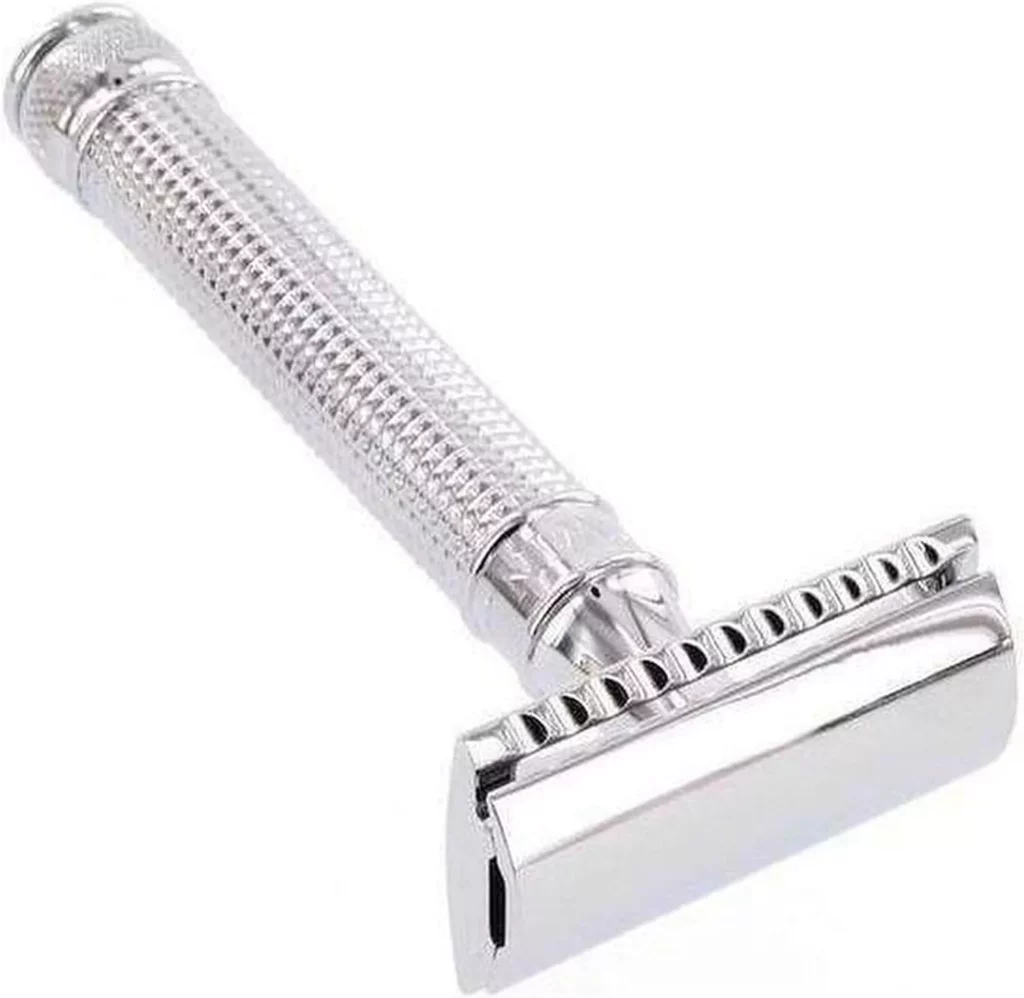
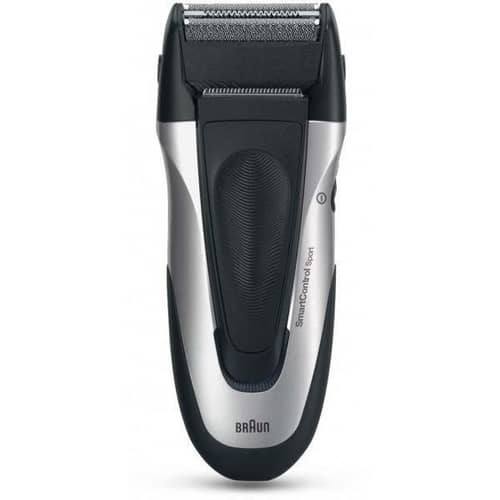
If you have sensitive skin:
Use a mild safety razor or a foil electric shaver.
You can read more about these choices just below.:
If you have coarse or curly hair:
Avoid multi‑blade cartridges — they cause ingrown hairs.
3. Always Shave With the Grain First
Shaving against the grain on the first pass is the fastest way to cause razor burn.
Correct technique:
- First pass: with the grain
- Second pass: across the grain
- Optional: against the grain only if your skin tolerates it
If you struggle with neck irritation, read: How to Shave Your Neck Properly
4. Use Short, Light Strokes — Don’t Press Down
Let the razor do the work.
Pressing harder does not give a closer shave — it just scrapes the skin.
If you’re using a safety razor, this is especially important. See: Shaving Tips Guide
5. Rinse the Blade Frequently
A clogged blade increases friction and causes micro‑tears in the skin.
Rinse every 2–3 strokes under warm water.
6. Finish With Cold Water + a Soothing Aftershave Balm
Cold water closes the pores and reduces inflammation.
Then apply a non‑alcoholic balm containing:
- Aloe vera
- Witch hazel
- Chamomile
- Niacinamide
Avoid alcohol‑based aftershaves — they sting and dry the skin.
7. Switch to Wet Shaving if You Have Persistent Razor Burn
Wet shaving reduces friction and softens the hair.
If you’re using an electric shaver, consider upgrading to a wet/dry model. See: Wet Shaving Guide
8. Replace Blades Regularly
Dull blades = guaranteed razor burn.
Replacement schedule:
- Cartridge razors: every 5–10 shaves
- Safety razor blades: every 3–5 shaves
- Electric shaver foils: every 12–18 months
If your foil is damaged, replace it immediately.
9. Avoid Shaving Daily (If Your Skin Is Irritated)
Give your skin 24–48 hours to recover.
If you must shave daily, use a foil electric shaver — they’re gentler.
10. Treat Razor Burn Quickly
If you already have razor burn:
- Apply aloe vera gel
- Use witch hazel to calm inflammation
- Avoid shaving the irritated area for 24 hours
- Apply a fragrance‑free moisturiser twice daily
If razor burn keeps returning, read: How to Prevent Ingrown Hairs
When to See a Dermatologist
If you experience:
- severe redness
- painful bumps
- recurring ingrown hairs
- inflammation lasting more than 48 hours
You may have pseudofolliculitis barbae or contact dermatitis.
A dermatologist can recommend tailored treatments.
Final Takeaway
Razor burn is preventable with the right preparation, technique, and aftercare. Hydrate your skin, use the right razor, shave with the grain, and avoid harsh products.
With a few small changes, you can eliminate irritation and get a smoother, more comfortable shave every time.