

Wet Shaving Guide - Everything You Need to Know
If you fancy trying, or are thinking about changing to wet shaving, then this page will make a very useful guide for you. We explain the razor options, soap, cream and gel options and offer some very useful tips for the perfect wet shave.
Wet shaving is one of the most effective, enjoyable, and traditional ways to shave. Whether you’re switching from electric shaving, returning to classic methods, or starting for the first time, this guide covers everything you need to know. This includes from razors and lather to technique, accessories, and common mistakes.
This is your complete introduction to traditional wet shaving, written for both beginners and experienced shavers who want to refine their technique.
What is Wet Shaving?
Wet shaving simply means shaving with:
- Water (to soften the hair)
- A lubricant (soap, cream, or gel)
- A blade (safety razor, straight razor, disposable, or cartridge)
The entire process is built around preparation, protection, and technique. These are the three pillars of a smooth, irritation free shave.
Why it Works?
- Hot water softens the hair
- The lather protects and lubricates the skin
- A sharp blade cuts cleanly without tugging
- Proper technique reduces irritation and ingrown hairs
Wet shaving is used by barbers, traditional shaving enthusiasts, and anyone who wants a closer, more comfortable shave.
Key Benefits of Wet Shaving
1. Better Skin Care
Quality soaps and creams hydrate and protect the skin, reducing irritation and razor burn.
2. A Closer Shave
A sharp blade always beats an electric shaver for closeness.
3. Longer Lasting Results
A proper wet shave often lasts all day.
4. More Enjoyable
Choosing razors, brushes, soaps, and blades becomes a ritual many men genuinely enjoy.
5. Cost Effective
Safety razor blades cost pennies compared to cartridges.
What You Need for Wet Shaving
If you have decided to give this type of shaving a try, then you do have a few options. We have listed those options below with an explanation of each shaving type.
What Do You Need for Wet Shaving - Wet Shaving Products & Supplies
If you have decided to give this type of shaving a try, then you do have a few options. We have listed those options below with an explanation of each shaving type.
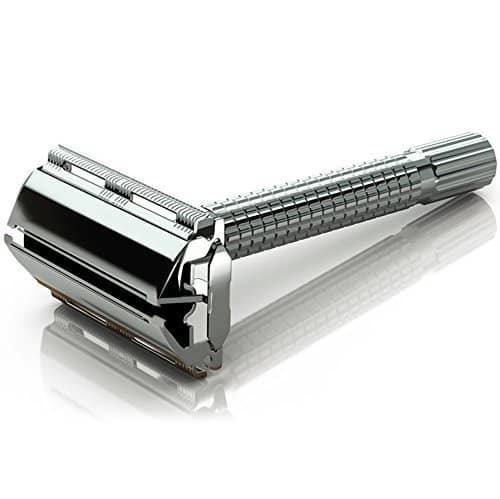
Razors
Lather
Brushes
Accessories

There are five types of razors that can be used for a wet shave. Just remember a wet shave is where the face and neck is washed with hot water. After that, a soap, cream or gel is applied to soften the hair and protect the face, and then some type of blade is used to remove the hair.
1. Double Edge Safety Razors (DE Razors)
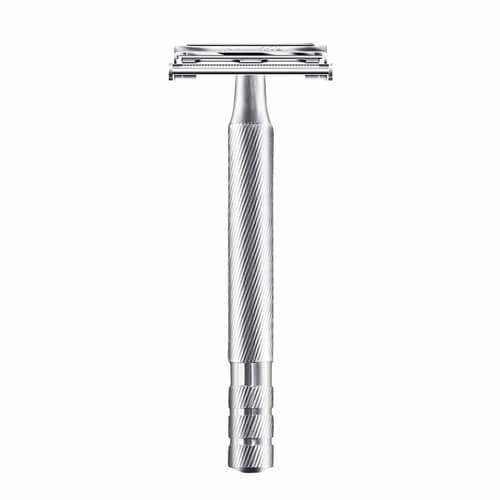
The best choice for beginners and enthusiasts.
Benefits:
- Very close shave
- Cheap blades
- Long lasting razor
- Excellent control
Related Information
2. Straight Razors (Cutthroat Razors)
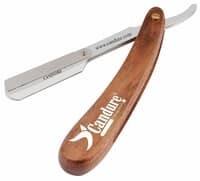
The traditional barber’s tool.
Benefits:
- Ultimate closeness
- Zero waste
- A true shaving ritual
Considerations:
- Requires practice
- Needs honing and stropping
Related Information
3. Disposable Razors
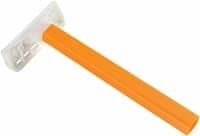
Convenient but not ideal for quality wet shaving.
- Pros: Cheap, widely available
- Cons: Not very close, not eco‑friendly
Related Information
4. Cartridge Razors
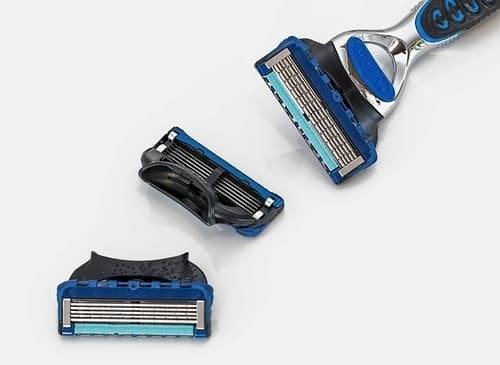
Popular and easy to use.
- Pros: Fast, familiar, widely available
- Cons: Expensive cartridges, not as close as DE razors
Related Information
5. Wet/Dry Electric Razors
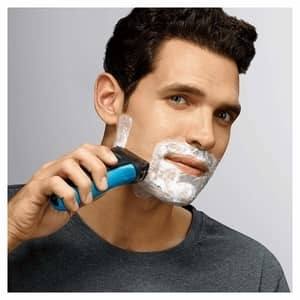
Modern electric shavers that can be used with lather.
- Pros: Convenient, good for sensitive skin
- Cons: Still not as close as a blade
Related Information
Lather Options for Wet Shaving
There are a number of ways to create a lather. This lather then can act as a lubricant and offer protection to the skin. The choices include shaving soap, shaving cream, shaving gels and shaving foam. We have explained each of these in more detail below.
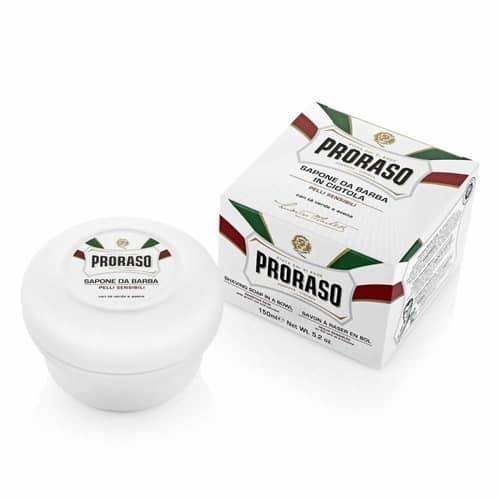
Shaving Soaps
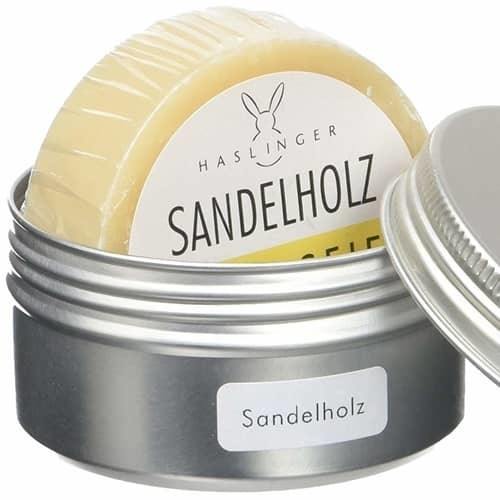
Traditional, long lasting, and excellent for sensitive skin.
To get a good lather you will need to use a shaving brush (shown below) and whip up a nice creamy lather. It really doesn't take long and is quite a fun thing to do.
Most of these will have a very mild scent such as Sandalwood, Eucalyptus or Menthol. There are some without scent though. so plenty of choice.
Related Information
Shaving Creams
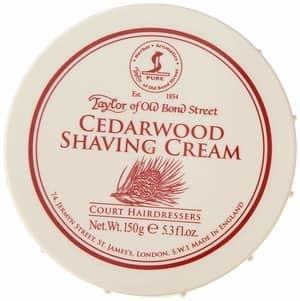
Rich, protective, and easy to lather.
Shaving cream comes ready to use, so you can either apply by hand or by brush. Shaving cream is slightly more expensive than a soap, and some people just prefer it for convenience.
Related Information
Shaving Gels
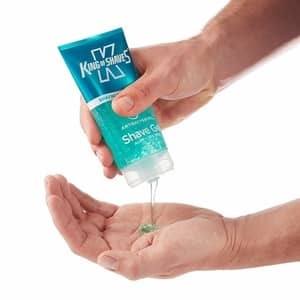
Convenient and widely available in the UK. These are applied by hand and rubbed into the hairs on the face.
Related Information
Shaving Foams
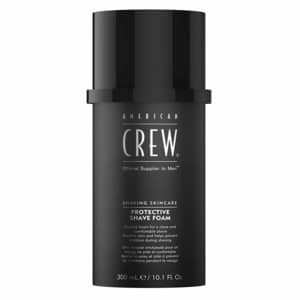
Fast but generally low quality. Not recommended for traditional wet shaving. They look rich but we found them to be full of air and offered very little protection to the skin.
They are not the best option, but they are easy to pick up in supermarkets and chemists throughout the UK.
Related Information
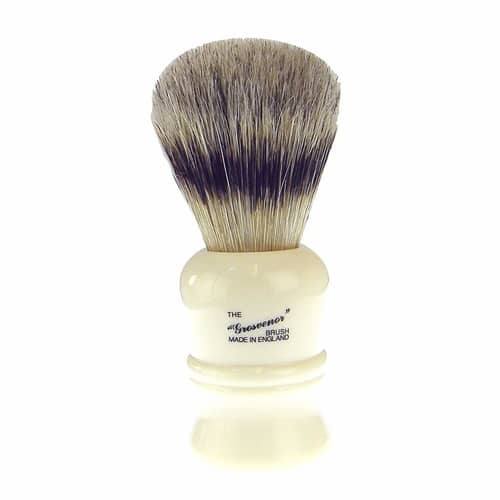
Shaving Brush Options
A brush lifts the hairs, exfoliates the skin, and creates a richer lather.
Boar Hair Brushes
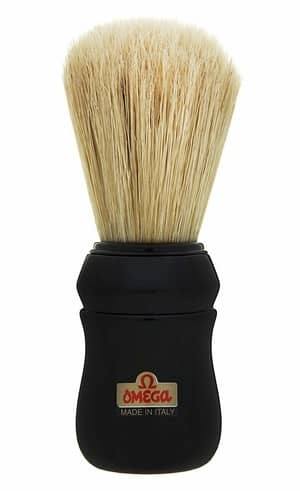
Firm, great for soaps, affordable.
Badger Hair Brushes
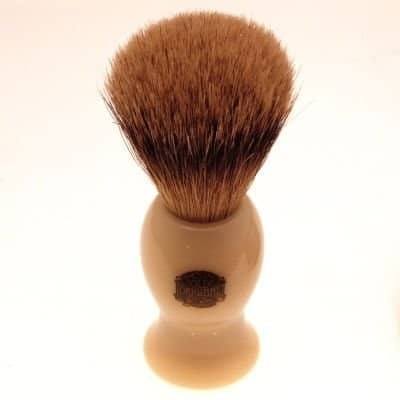
Soft, luxurious, excellent water retention.
Horse Hair Brushes
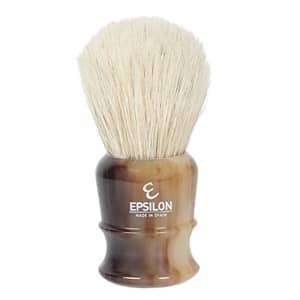
Ethical alternative to boar/badger.
Synthetic Brushes
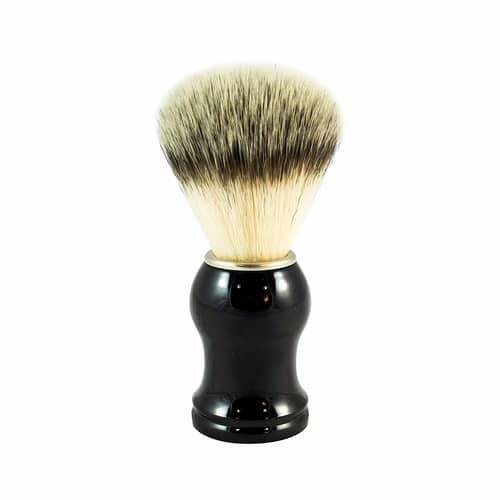
Vegan, modern, excellent performance, fast drying.
Wet Shaving Accessories
There is an interesting range of wet shaving accessories. I have listed those below, and I know that these make great gifts for wet shavers of all ages.
Wet Shaving Accessories
There is an interesting range of wet shaving accessories. We have listed those below, and we know that these make great gifts for wet shavers of all ages.
- Razor blades (DE or straight)
- Shaving bowls & mugs
- Brush & razor stands
- Pre‑shave oils
- Post‑shave balms
Beginner Mistakes to Avoid
1. Poor Preparation
Hair must be softened with hot water or steam.
2. Using Cheap Foams
Low‑quality products cause irritation.
3. Pressing Too Hard
Let the razor’s weight do the work.
4. Shaving Against the Grain
Only do this once technique improves.
5. Wrong Blade Angle
Aim for roughly 30 degrees.
6. Repeating Strokes Without Lather
Never shave bare skin.
How to Wet Shave (Step‑by‑Step)
Preparation
- Wash with warm water
- Apply pre‑shave if desired
- Let the heat soften the hair
Apply Lather
- Use a brush for best results
- Work the lather into the hair
- Cover every area evenly
The Shave
- Hold the razor at 30°
- Use short, gentle strokes
- Shave with the grain
- Re‑lather before each pass
Aftercare
- Rinse with cold water
- Apply post‑shave balm
- Clean and dry your razor and brush
Wet Shaving vs Dry Shaving
Wet Shaving
- Closer
- Smoother
- Better for skin
- More enjoyable
Dry Shaving
- Faster
- Convenient
- Less close
- Can cause irritation
My Final Thoughts
Wet shaving is more than just a grooming method. It is a ritual. With the right tools, proper preparation, and good technique, you’ll get a closer shave, healthier skin, and a far more enjoyable experience.
Whether you’re a beginner or a seasoned traditional shaver, this guide gives you everything you need to get started and improve your shave.