

Many beginners to wet shaving eventually ask the same question:
Is shaving cream or shaving soap better?
After decades of traditional shaving, and testing everything from supermarket foams to artisan tallow soaps, I’ve learned that both have strengths. The key is understanding how they are different, how they perform, and which one suits your skin, beard, and shaving style.
Below is my clear, experience based comparison to help you choose confidently.
Key Differences at a Glance
Feature | Shaving Cream | Shaving Soap |
|---|---|---|
Ease of Lathering | Very easy making it ideal for beginners | Requires technique and a brush |
Lather Quality | Soft, rich and quick | Dense, stable and protective |
Cost per Year | ≈£78 | ≈£45 |
Application | Brush or Hands | Brush Only |
Best For | Convenience, sensitive skin, beginners | Traditional shaving, straight razors, coarse beards |
Shaving Cream
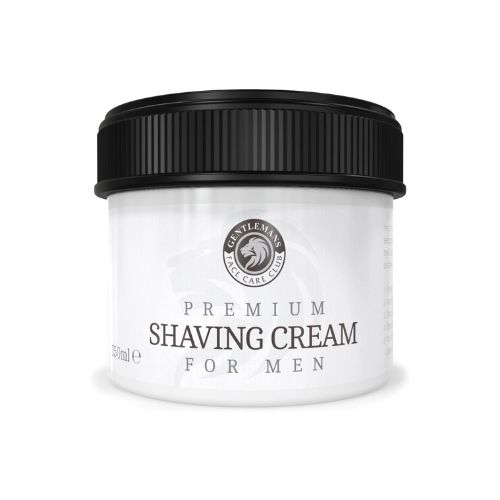
- Shaving creams usually come in tubs (150 ml in size)
- Shaving creams cost on average around £12-£15 for an average sized tub (150 ml)
- A tube of shaving cream is enough for 60 days shaving if you shave once a day
- The average annual cost of using shaving cream is around £78 a year
- Shaving cream is very easy to lather up
- You can apply shaving cream using a brush or your hand
- You can use a shaving cream straight out of the tub though some shavers like to lather this in a bowl
Shaving Soap
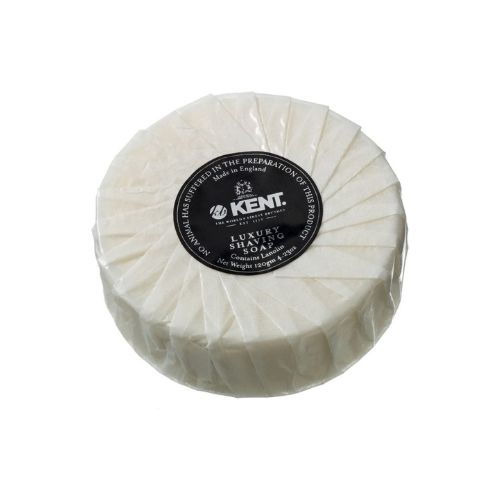
- Shaving creams usually come in pucks (60-65 ml in size)
- Shaving creams cost on average around £8-£12 for an average sized puck (60-65 ml)
- A puck of shaving soap is enough for 90 days shaving if you shave once a day
- The average annual cost of using shaving cream is around £45 a year
- Shaving soap takes much longer to get a lather
- You can really only lather up and apply a soap using a shaving brush
- You will need a bowl, mug or scuttle to mix the soap using a brush
Shaving Cream: Quick, Convenient, Beginner Friendly
Shaving creams usually come in 150 ml tubs or tubes and cost around £12–£15. A single tub lasts roughly 60 shaves, making the annual cost about £78 if you shave daily.
Why people like shaving cream
- Extremely easy to lather
- Works with hands or a brush
- Softens beard hair quickly
- Provides a smooth, cushioned glide
- Ideal for sensitive skin when fragrance free
Creams are essentially “pre‑hydrated soaps,” which is why they lather so easily. If you’re new to wet shaving, cream gives you instant success.
Shaving Soap: Traditional, Long Lasting, and Highly Protective
Shaving soaps typically come in 60–65 g pucks and cost £8–£12. A puck lasts around 90 shaves, bringing the annual cost to roughly £45.
Why people choose shaving soap
- Creates a dense, stable lather
- Offers excellent protection
- Lasts longer and costs less
- Works beautifully with straight razors
- Available in tallow, vegan, and artisan formulas
Soaps require a brush and a bowl or mug. They take longer to load and lather, but the result, when done well, is a luxurious, traditional shave.
Similarities Between Cream and Soap
- Both can produce excellent lather
- Both come in scented and unscented versions
- Both protect the skin when used correctly
- Both work with safety razors, cartridges, and straight razors
In fact, if you fully hydrate a shaving soap, you essentially create shaving cream, with the difference being how much work you do to get there.
Which is best for sensitive skin?
It actually doesn't matter whether you use a soap or a cream for sensitive skin. If you look carefully, most makers have specific creams and specific soaps, designed for people with sensitive skin. Sensitive skin is caused by any irritation to the outer layer of skin.
It’s not the format that matters, it’s the formula.
Both soaps and creams come in sensitive skin versions. Look for:
- Unscented or lightly scented products
- No artificial colours
- No strong essential oils
- Added moisturisers (glycerin, lanolin, aloe, shea butter)
If your skin reacts easily, start with a gentle cream. Once your technique improves, you can experiment with soaps.
Shaving Cream vs Shaving Soap vs Shaving Foam vs Shaving Gel
We have explained the main differences between shaving cream and shaving soap above. However, it is also worth mentioning shaving foams and shaving gels, and why you might consider using those.
Shaving Foam
- Instant, airy lather
- Very little protection
- Dries quickly
- Best avoided for traditional wet shaving
Shaving Gel
- Richer than foam
- Good glide
- Often contains alcohol
- Better than foam, but still not as protective as cream or soap
Verdict:
If you’re serious about wet shaving, stick to cream or soap.
Ordinary Soap vs Shaving Soap
Ordinary bath soap is made by mixing oils or fats along with a base known as an alkali. It’s designed to clean, not lubricate.
Shaving soap, on the other hand, is formulated with:
- Higher stearic acid content
- Added glycerin
- Potassium salts for easier lathering
- Skin friendly moisturisers
This is why shaving soap creates a richer, more protective lather than anything you’d use in the shower.
My Summary After Years of Testing
Both shaving cream and shaving soap can give you an excellent shave, but they shine in different situations.
Choose Shaving Cream If You Want:
- Convenience
- Fast lather
- A forgiving product for sensitive skin
- A beginner friendly experience
Choose Shaving Soap If You Want:
- A traditional shave
- Maximum protection
- Better performance with straight razors
- Lower long‑term cost
- A more luxurious ritual
Personally, I reach for cream when I’m in a hurry and soap when I want the best possible shave.