Straight razors, often called cutthroat razors in the UK, are the most traditional, precise, and rewarding shaving tools ever made. They offer unmatched closeness, zero waste, and a shaving ritual that many enthusiasts consider the gold standard.
Whether you’re a beginner curious about traditional shaving or an experienced wet shaver looking to upgrade your technique, this guide covers everything you need to know about straight razors: how they work, how to choose one, how to shave with one, and how to maintain the blade properly.
What Is a Straight Razor?
A straight razor is a folding razor with a long, exposed blade that folds into the handle. Unlike safety razors or cartridges, a straight razor uses a single, solid piece of steel to shave.
Why people choose straight razors
- The closest shave possible
- Zero waste so no blades to throw away
- A lifetime tool (or several lifetimes)
- A traditional, enjoyable shaving ritual
- Excellent for coarse or dense facial hair
Straight razors require more skill, but the reward is unmatched.
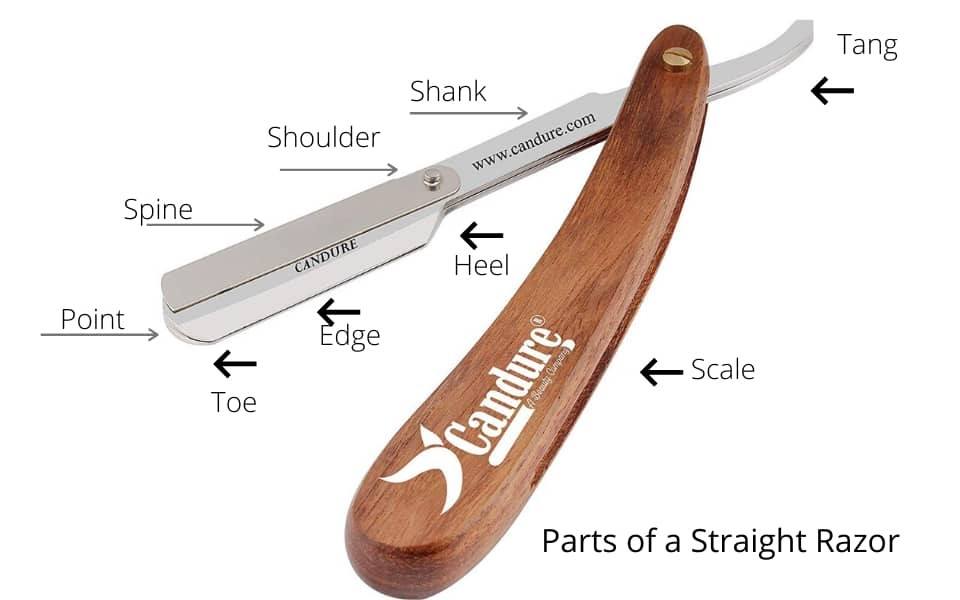
Types of Straight Razors
There are two main types:
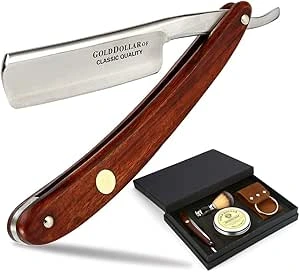
1. Fixed‑Blade Straight Razors (Traditional Cutthroat)
This is the classic design: a solid steel blade that must be honed and stropped.
Pros
- Ultimate closeness
- Long term value
- Beautiful craftsmanship
- No disposable parts
Cons
- Requires maintenance
- Higher learning curve
Check out my fixed blade straight razor reviews
2. Replaceable‑Blade Straight Razors (Shavettes)
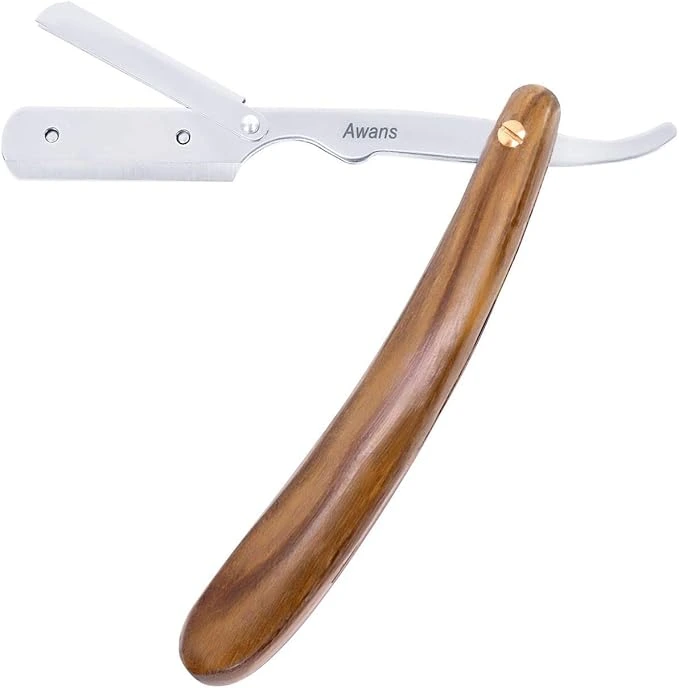
These use half DE blades or special disposable blades.
Pros
- No honing or stropping
- Very sharp, hygienic
- Great for beginners or barbers
Cons
- Less smooth than a traditional blade
- Blades need replacing frequently
Check out my fixed blade straight razor reviews
Straight Razor Blade Shapes
Round Point
- Most beginner‑friendly
- Safer around ears and nose
Square/Spike Point
- Very precise
- Better for shaping
- Requires more skill
French Point
- Stylish curve
- Good balance of precision and safety
Blade Widths (5/8, 6/8, 7/8, etc.)
5/8"
- Most common
- Best for beginners
- Easy to control
6/8" and 7/8"
- Heavier
- More momentum
- Better for coarse hair
- Favoured by enthusiasts
Grind Types
Full Hollow
- Flexible
- Very sharp
- Excellent feedback
- Best for experienced users
Half Hollow
- Balanced
- Good for most shavers
Wedge Grind
- Heavy, stiff
- Great for very coarse beards
How to Choose the Right Straight Razor
If you’re a beginner
- Round point
- 5/8" width
- Half‑hollow grind
- Replaceable‑blade (shavette) if you want zero maintenance
If you want the traditional experience
- Fixed blade
- 5/8" or 6/8"
- Full hollow
If you have coarse or dense stubble
- 6/8" or 7/8"
- Half‑hollow or wedge
If you want low maintenance
- Replaceable‑blade straight razor
Check out my “Top 10 Cutthroat Razors”
How to Shave With a Straight Razor
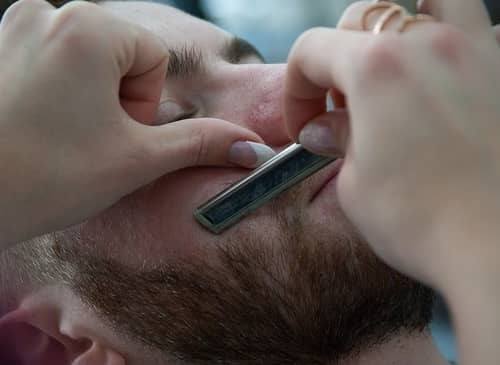
Straight razor shaving is a skill but once mastered, it’s incredibly rewarding.
Preparation
- Wash with warm water
- Apply shaving soap or cream
- Use a brush to lift the hairs
Holding the Razor
- Hold the razor at roughly 30°
- Use a light grip
- Keep your wrist relaxed
Shaving Technique
- Use short, controlled strokes
- Stretch the skin with your free hand
- Shave with the grain first
- Re‑lather before each pass
- Only shave against the grain once you’re confident
Aftercare
- Rinse with cold water
- Apply balm
- Dry the razor thoroughly
Stropping & Honing Explained
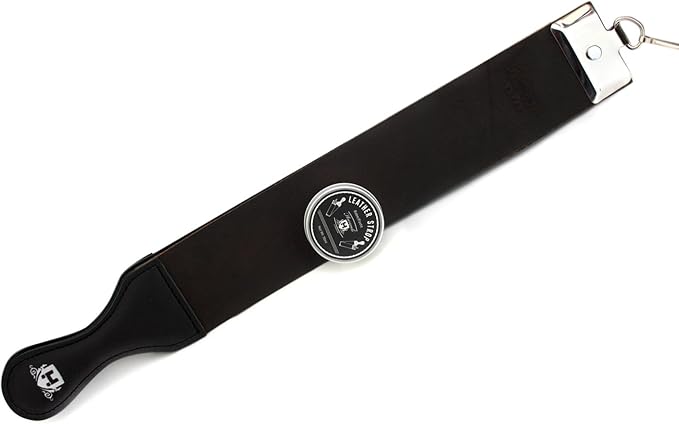
Straight razors require maintenance but it’s easier than most people think.
Stropping (Before Every Shave)
A strop realigns the microscopic edge of the blade.
- Use a leather strop
- 20–30 light passes
- Keep the blade flat
- No pressure
Honing (Every Few Months)
Honing sharpens the blade using a stone.
- 8k–12k grit stones are common
- Only needed occasionally
- Many users send their razor to a professional
Straight Razor Maintenance
- Dry thoroughly after each shave
- Store in a dry place
- Oil the blade lightly if storing long‑term
- Avoid dropping as it can chip the edge
- Keep the pivot screw tight
Beginner Mistakes to Avoid
- Using too steep an angle
- Applying pressure
- Not stretching the skin
- Shaving too fast
- Using a dull blade
- Skipping stropping
These mistakes are normal and they disappear with practice.
Recommended Straight Razors
Beginner Friendly
- Replaceable‑blade straight razors
- Round‑point fixed blades
Intermediate
- 5/8" full hollow
- Square point (with care)
Advanced
- 6/8" and 7/8" blades
- Wedge grinds
- Premium Sheffield or Solingen steel
Straight Razor vs Safety Razor
Straight Razor
- Closest shave
- Zero waste
- High skill
- Requires maintenance
Safety Razor
- Easier to learn
- Cheaper blades
- Less maintenance
- Still very close
My Final Thoughts
Straight razor shaving is more than a grooming method. It’s a craft. With the right razor, proper technique, and regular maintenance, you’ll enjoy the closest shave possible and a ritual that becomes genuinely enjoyable.
Use the links throughout this guide to explore reviews, comparisons, and technique articles across the site.