
Shaving doesn’t have to be painful or inconsistent. This guide brings together the most effective shaving tips for men This includes simple things like preventing razor burn to improving your technique. That means you can get a smoother, more comfortable shave every time.
What You’ll Learn in my Guide
This page is your complete hub for improving your shave. Whether you struggle with razor burn, ingrown hairs, sensitive skin, or inconsistent results, you’ll find clear, practical advice to help you shave better every day.
How to Prevent Razor Burn
Razor burn is one of the most common shaving problems and one of the easiest to fix once you understand the causes.
Key tips:
- Use light pressure
- Shave with the grain
- Use a slick, protective lather
- Avoid going over the same area without re‑lathering
- Rinse with cold water after shaving
You may also find reading these articles worthwhile:
How to Avoid Ingrown Hairs
Ingrown hairs happen when the hair curls back into the skin. Technique and preparation make a huge difference.
Key tips:
- Exfoliate regularly
- Shave with the grain
- Avoid stretching the skin too much
- Use sharp blades
- Don’t chase a baby‑smooth finish every day
You may also find reading these articles worthwhile:
Best Shaving Routine for Sensitive Skin
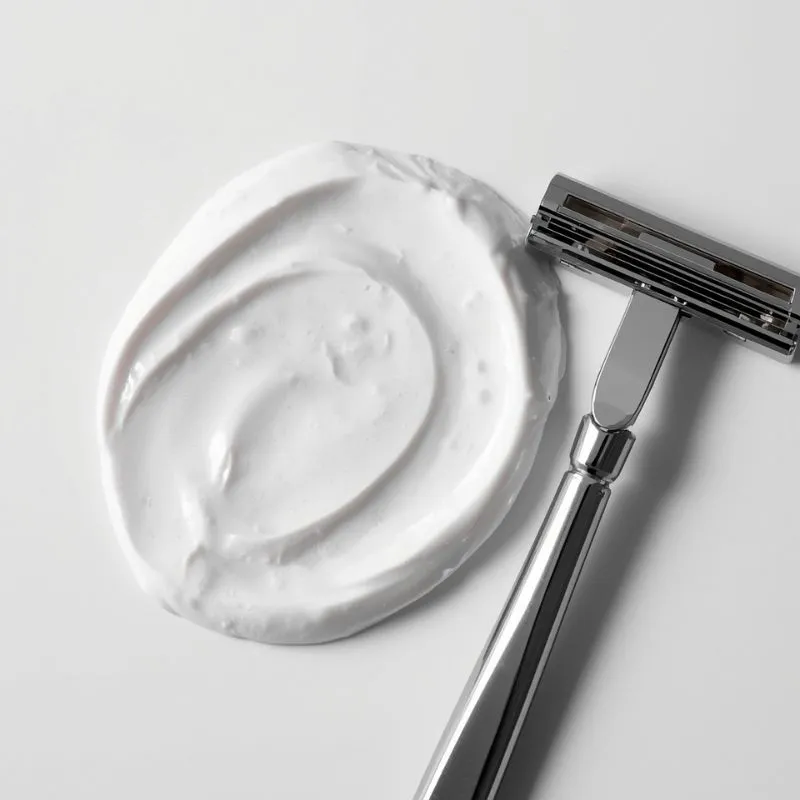
If you have sensitive skin, your shaving routine matters more than the razor you use.
Key tips:
- Wash your face with warm water first
- Use a high‑quality cream (not cheap foam)
- Use minimal pressure
- Avoid alcohol‑based aftershaves
- Shave after a shower for maximum softness
You may also find reading these articles worthwhile:
How to Build a Better Lather
A good lather protects your skin, softens the hair, and reduces friction.
Key tips:
- Use a shaving brush
- Add water slowly
- Aim for a glossy, yoghurt‑like texture
- Use circular motions to lift the hairs
- Re‑lather between passes
You may also find reading these articles worthwhile:
Pre‑Shave Preparation
Good prep prevents 80% of shaving problems.
Key tips:
- Wash with warm water
- Use a pre‑shave oil if needed
- Hydrate the beard for at least 30 seconds
- Never shave dry
You may also find reading these articles worthwhile:
Aftershave Care

Your skin is most vulnerable immediately after shaving.
Key tips:
- Rinse with cold water
- Pat dry (don’t rub)
- Use an alcohol‑free balm
- Avoid touching your face
- Moisturise daily
You may also find reading these articles worthwhile:
Beginner Mistakes to Avoid
These are the most common errors men make:
- Pressing too hard
- Using dull blades
- Shaving too fast
- Poor preparation
- Using cheap foams
- Going against the grain too early
You may also find reading these articles worthwhile:
Recommended Tools & Products
A good shave starts with good tools.
Essentials:
- Safety razor or electric shaver
- Sharp blades
- Quality shaving cream or soap
- Shaving brush
- Aftershave balm
Explore More Shaving Tips
-
Safety Razor Blade Storage & Disposal Guide (UK)
This article contains Amazon affiliate links. As an Amazon Associate, I earn from qualifying purchases. This helps support the site at no extra cost to you. Safety razor blades are small, sharp, and easy to mishandle if you’re not careful. Proper storage keeps blades dry, rust‑free, and safe. Proper disposal prevents injuries and ensures blades…
-
Best Safety Razor Blades for Coarse Beard Growth (UK Guide)
This article contains Amazon affiliate links. As an Amazon Associate, I earn from qualifying purchases. This helps support the site at no extra cost to you. If you have coarse beard growth, you already know the struggle: tugging, pulling, patchy cutting, and irritation — especially on the chin and jawline. The good news? The right…
-
Best Safety Razor Blades for Sensitive Skin (UK)
This article contains Amazon affiliate links. As an Amazon Associate, I earn from qualifying purchases. This helps support the site at no extra cost to you. If you have sensitive skin, choosing the right safety razor blade is one of the most important decisions you can make. The wrong blade can cause razor burn, redness,…
-
Best Safety Razor Blades for Beginners (UK Guide)
Quick Summary Choosing the right safety razor blade makes a huge difference to comfort, irritation, and confidence. This is especially true when you’re new to wet shaving. This guide breaks down the best beginner‑friendly blades available in the UK, explains what makes a blade “mild” or “smooth”, and helps you match the right blade to…
-
How to Avoid Nicks and Cuts While Shaving
Nicks and cuts are usually caused by pressure, poor preparation, dull blades or the wrong shaving angle. This guide shows you how to avoid shaving cuts completely using simple technique changes and better razor control. Why Nicks and Cuts Happen Even experienced shavers get the occasional nick — but if it happens often, something in…