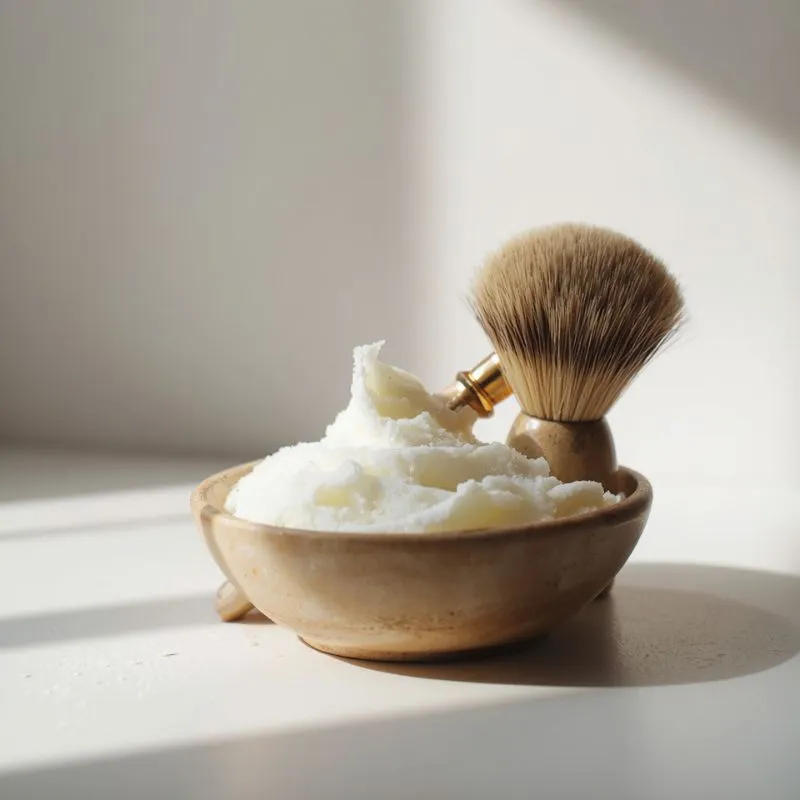
A good shaving lather protects your skin, softens the beard, and helps the razor glide smoothly. Whether you use shaving soap or cream, this guide shows you how to build a rich, slick lather that reduces irritation and improves your shave.
Why Lather Matters
A proper lather is more than just foam — it’s the foundation of a comfortable shave.
A good lather should:
- Hydrate and soften the beard
- Provide slickness for the razor
- Cushion the blade
- Reduce friction and irritation
- Lift the hairs for a closer shave
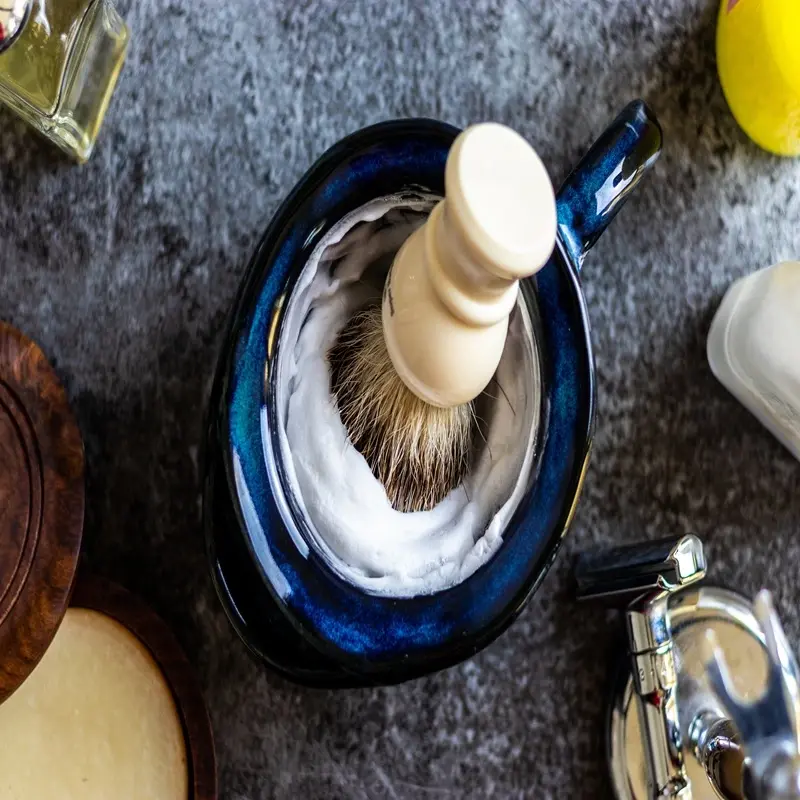
1. Choose the Right Product: Soap vs Cream
Both work well, but they behave differently.
Shaving Cream
- Easier for beginners
- Faster to lather
- More hydration
Shaving Soap
- More control over consistency
- Often slicker
- Lasts longer
If you’re deciding between products, the shaving soap vs cream comparison explains how each one behaves during lathering.
2. Use a Shaving Brush (Highly Recommended)
A brush helps you build a better lather by:
- Lifting the hairs
- Exfoliating the skin
- Creating a richer texture
- Improving slickness
Best brush types:
- Synthetic (easy, affordable, fast‑drying)
- Badger (luxurious, holds water well)
- Boar (firmer backbone, great for soaps)
A good brush makes a huge difference, and the shaving brush guide breaks down the best options for beginners.
3. Load the Brush Properly
For Shaving Soap
- Wet the brush and shake out excess water
- Swirl on the soap for 20–30 seconds
- The brush should look pasty, not foamy
If you prefer soaps, the soap buyer’s guide explains how to pick the right one for your razor and beard.
For Shaving Cream
- Add an almond‑sized amount to the brush or bowl
- Add a few drops of water
- Start whipping
For cream users, the shaving cream buyer’s guide helps you choose a formula that suits your skin.
4. Build the Lather (Bowl or Face)
You can lather in a bowl or directly on your face.
Bowl Lathering
- More control
- Great for beginners
- Easy to adjust water
Steps:
- Swirl the brush in the bowl
- Add water slowly (few drops at a time)
- Whip until glossy and yoghurt‑like
Face Lathering
- More exfoliation
- Warmer lather
- Faster
Steps:
- Apply the brush to your face
- Use circular motions to lift the hairs
- Add water as needed
5. Aim for the Right Consistency
A perfect lather should be:
- Glossy
- Dense
- Slick
- Hydrated
- Cushioning
Too dry:
- Feels pasty
- Causes tugging
- Leads to razor burn
Too wet:
- Thin and bubbly
- Lacks protection
Add water slowly — a few drops at a time.
Your lather will also improve when paired with the steps in the pre‑shave routine.
6. Apply the Lather Correctly
Use circular motions to:
- Lift the hairs
- Work the lather into the beard
- Exfoliate the skin
Then finish with gentle painting strokes to smooth the surface.
7. Re‑Lather Between Passes
Never shave over bare skin.
Re‑lather before:
- Across‑the‑grain passes
- Against‑the‑grain passes
- Touch‑ups
This prevents irritation and razor burn.
8. Troubleshooting Common Lather Problems
Lather dries out quickly
- Add more water
- Use a more hydrating cream
Lather is too airy or bubbly
- Load the brush longer
- Use less water
Lather feels thin
- Add more product
- Whip longer
Lather feels pasty
- Add water slowly
9. Lathering for Safety Razors vs Straight Razors
Safety Razors
- Slickness is key
- Slightly wetter lather works best
Straight Razors
- Cushion + slickness
- Avoid overly airy lather
10. Summary: The Perfect Lather
- Choose a good soap or cream
- Use a shaving brush
- Load for 20–30 seconds
- Add water slowly
- Build until glossy and slick
- Apply in circular motions
- Re‑lather between passes