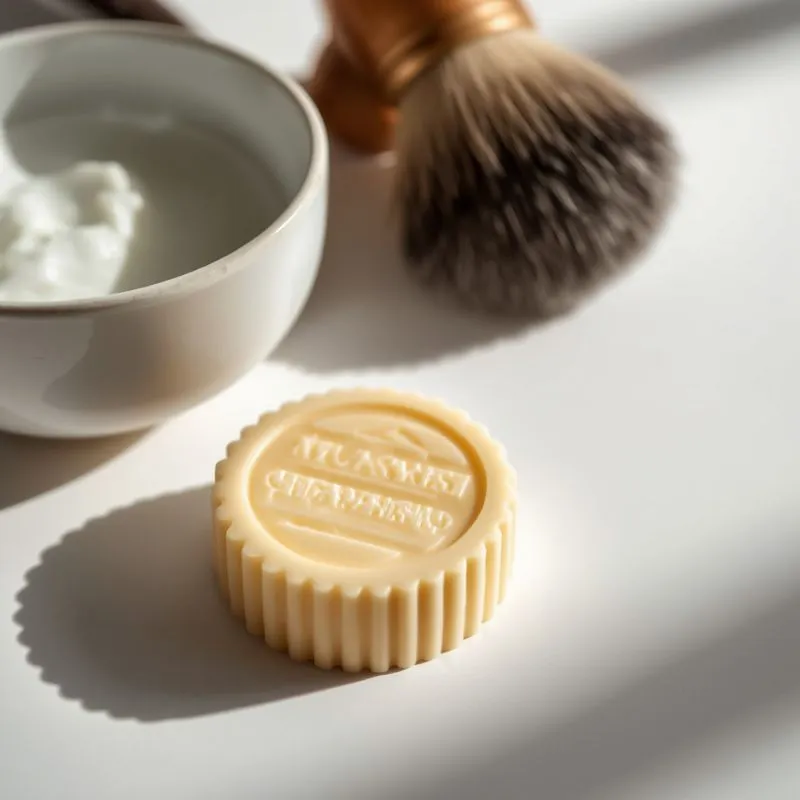
Choosing the right shaving soap makes a huge difference to your shave. The best soaps create a slick, protective lather that reduces irritation, improves razor glide, and leaves your skin feeling smooth. This guide explains what to look for, the differences between tallow and vegan soaps, and how to choose the best shaving soap for your skin and shaving style.
Why Choosing the Right Shaving Soap Matters
A good shaving soap improves every part of your shave:
- Better lather
- Better glide
- Better protection
- Better post‑shave feel
The result: fewer nicks, less razor burn, and a smoother, more comfortable shave.
If you’re unsure whether soap or cream suits you better, the soap vs cream comparison explains how each product performs.
Types of Shaving Soap: Hard, Semi‑Hard, and Croap
Shaving soaps come in three main textures:
Hard Soap (Triple‑Milled)
- Long‑lasting
- Requires more loading
- Excellent value
Semi‑Hard Soap
- Easier to load
- Still long‑lasting
- Great balance of performance and convenience
Croap (Cream‑Soap Hybrid)
- Soft, easy to lather
- Great for beginners
- Stronger scents
All three can perform well — the difference comes down to ingredients.
Tallow vs Vegan: Which Should You Choose?
This is the biggest decision when buying shaving soap.
Tallow Soaps
- Dense, creamy lather
- Excellent cushion
- Superior glide
- Rich post‑shave feel
Vegan Soaps
- Lighter, cleaner rinse
- Faster to lather
- Stronger scent options
- Plant‑based ingredients
I have explained these in differences in more detail in my tallow vs vegan soap article.
Key Ingredients to Look For
The best shaving soaps contain a blend of fatty acids, moisturisers, and stabilisers.
Stearic Acid The backbone of shaving lather. Provides cushion and structure.
Tallow or Palm‑Derived Stearic Acid Creates dense, stable lather.
Coconut Oil Boosts lather volume and cleansing.
Shea Butter or Cocoa Butter Improves post‑shave feel and hydration.
Glycerin Helps retain moisture and softens the skin.
Kaolin Clay (Optional) Adds slickness and helps the razor glide.
Avoid soaps with:
- Harsh detergents
- Strong artificial fragrances
- Low stearic acid content
For ingredient differences, the tallow vs vegan soap guide breaks down how each base affects lather quality.
Best Shaving Soap for Your Skin Type
Sensitive Skin
- Mild scents
- Tallow or high‑stearic vegan
- Avoid menthol and strong essential oils
Dry Skin
- Tallow soaps
- Shea butter or glycerin‑rich formulas
Oily Skin
- Vegan soaps with clean rinse
- Lighter formulas
Normal Skin
- Any high‑quality soap works well
Best Shaving Soap for Your Razor Type
Safety Razors
- Tallow soaps for maximum glide
- Vegan soaps with high stearic acid also work well
Straight Razors
- Tallow is preferred
- Dense, stable lather is essential
Cartridge Razors
- Creamier soaps or croaps
- Cushion helps prevent irritation
Your brush choice also matters, and the shaving brush guide helps you pick the right one.
Scent Strength: Subtle vs Strong
Shaving soaps vary widely in scent intensity.
Subtle Scents
- Traditional barbershop
- Light citrus
- Mild sandalwood
Strong Scents
- Cologne‑style
- Spicy or woody blends
- Seasonal scents (winter, summer, etc.)
Choose based on personal preference — scent doesn’t affect performance.
How to Choose the Right Shaving Soap (Simple Framework)
Use this quick decision guide:
- If you want maximum performance: choose tallow.
- If you want plant‑based: choose vegan with added stearic acid.
- If you want fast lather: choose croap or soft soap.
- If you want long‑lasting value: choose triple‑milled hard soap.
- If you have sensitive skin: choose mild, low‑fragrance formulas.
- If you use a straight razor: choose dense, stable lather (usually tallow).
How Much Should You Spend?
Shaving soaps fall into three price ranges:
Budget (£5–£10)
- Basic performance
- Good for beginners
- Often vegan formulas
Mid‑Range (£10–£20)
- Best value
- Excellent performance
- Wide scent variety
Premium (£20–£30+)
- Luxury scents
- Exceptional lather
- Artisan formulas
Performance doesn’t always scale with price — many mid‑range soaps outperform premium ones.
How Long Does a Shaving Soap Last?
It depends on hardness and usage:
- Hard soap: 4–6 months
- Semi‑hard: 2–4 months
- Croap: 1–3 months
Hard soaps offer the best long‑term value.
If you’re building a full setup, the beginner’s shaving products guide shows how soaps fit into a complete routine.
Summary: What to Look For in a Shaving Soap
- High stearic acid content
- Tallow or well‑formulated vegan base
- Shea butter or glycerin for hydration
- Scent strength that suits your preference
- Texture that matches your shaving style
- Good value for the size and hardness