This article contains Amazon affiliate links. As an Amazon Associate, I earn from qualifying purchases. This helps support the site at no extra cost to you.
Slant razors look similar to standard safety razors, but the blade sits at a slight angle — giving a slicing action rather than a straight cut. This design makes slant razors incredibly efficient, especially on coarse or dense beard growth.
This guide explains how slant razors work, who they suit, whether beginners should use one, and how they compare to standard safety razors.
Quick Summary
- Slant razors slice hair at an angle, making them more efficient
- They are excellent for coarse beard growth
- They feel smoother than many aggressive razors
- Beginners can use them — but technique matters
- Popular models include the Merkur 37C and Parker Semi‑Slant
What Is a Slant Razor?
A slant razor is a safety razor where the blade is twisted and angled inside the razor head. Instead of cutting straight down, the blade slices the hair diagonally — similar to how a chef slices through food with a knife.
Why this matters:
- Slicing requires less force
- The blade cuts more efficiently
- Coarse hairs are removed more easily
- Shaving feels smoother despite higher efficiency
This is why slant razors are often described as “smooth but powerful”.
How Slant Razors Work
Slant razors change three shaving factors:
1. Blade Angle
The blade sits diagonally, creating a slicing motion.
2. Blade Tension
The blade is slightly torqued, increasing rigidity and reducing chatter.
3. Cutting Efficiency
The slicing action cuts through thick hairs more easily than a straight cut.
The result: A shave that feels smooth but removes stubble very effectively.
Slant Razor Benefits
1. More Efficient Cutting
Slants cut through coarse or wiry beard growth with less resistance.
2. Smoother Feel
Despite being efficient, slants often feel gentler than aggressive open comb razors.
3. Fewer Passes Needed
Many users get a close shave with fewer strokes.
4. Great for Problem Areas
Slants excel on:
- Chin
- Jawline
- Neck
- Dense patches
Slant Razor Drawbacks
1. Requires Good Technique
Beginners can use slants, but poor angle or pressure can cause irritation.
2. Not Ideal for Very Sensitive Skin
Some users with extremely sensitive skin may prefer mild closed comb razors.
3. Can Be Too Efficient for Daily Shaving
If you shave every day, a mild razor may feel more comfortable.
Who Should Use a Slant Razor?
Best for:
- Coarse beard growth
- Dense stubble
- Shaving every 2–4 days
- Users who want fewer passes
- People who find mild razors too weak
Not ideal for:
- Extremely sensitive skin
- Beginners who struggle with pressure
- Daily shavers who prefer mild razors
If you’re unsure about aggressiveness, read “Open Comb vs Closed Comb Safety Razors: What’s the Difference & Which Should You Choose?”. You may also want to visit our Safety Razor Troubleshooting: Fix Razor Burn, Tugging & Nicks guide
Best Slant Razors UK (2026)
Merkur 37C — Best Overall Slant Razor
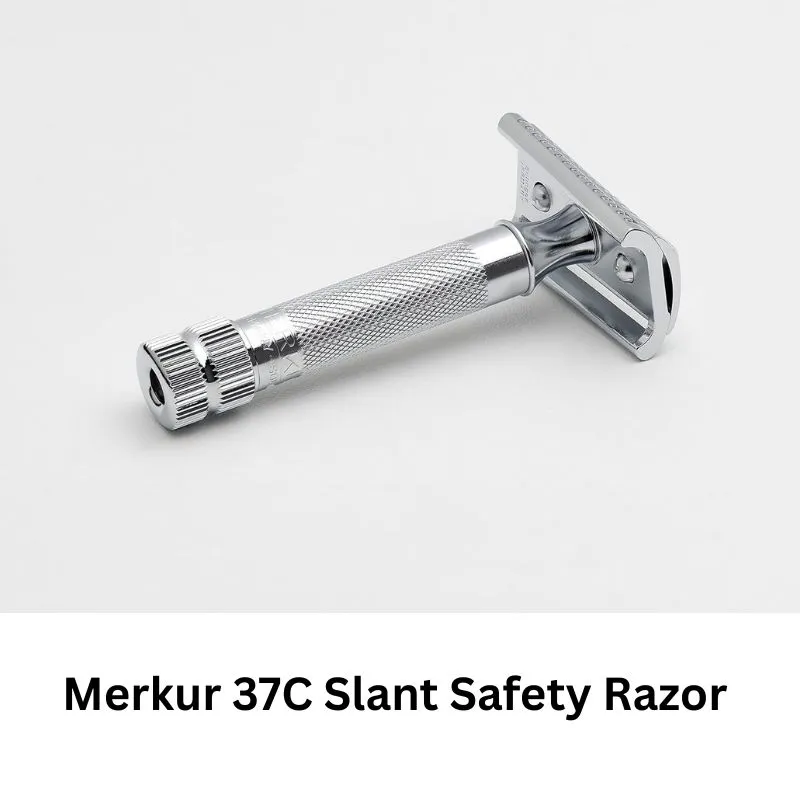
Smooth, efficient, and easy to control. The 37C is the most popular slant razor in the world. Check Amazon UK for Availability
Merkur 39C — Best for Coarse Beard Growth
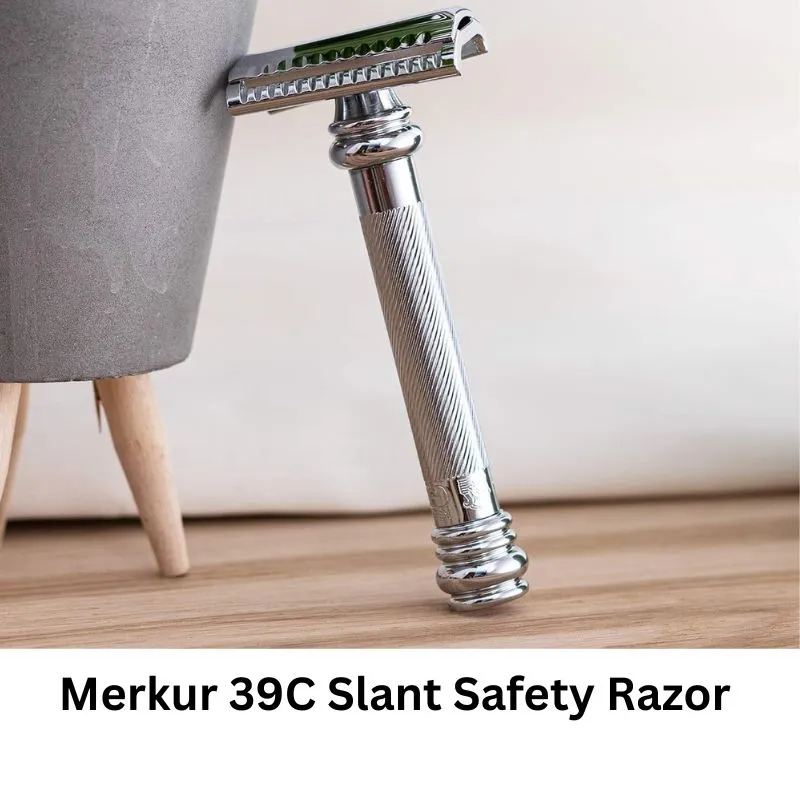
A longer handle and heavier weight make the 39C even more efficient.
Parker Semi‑Slant — Best Beginner‑Friendly Slant
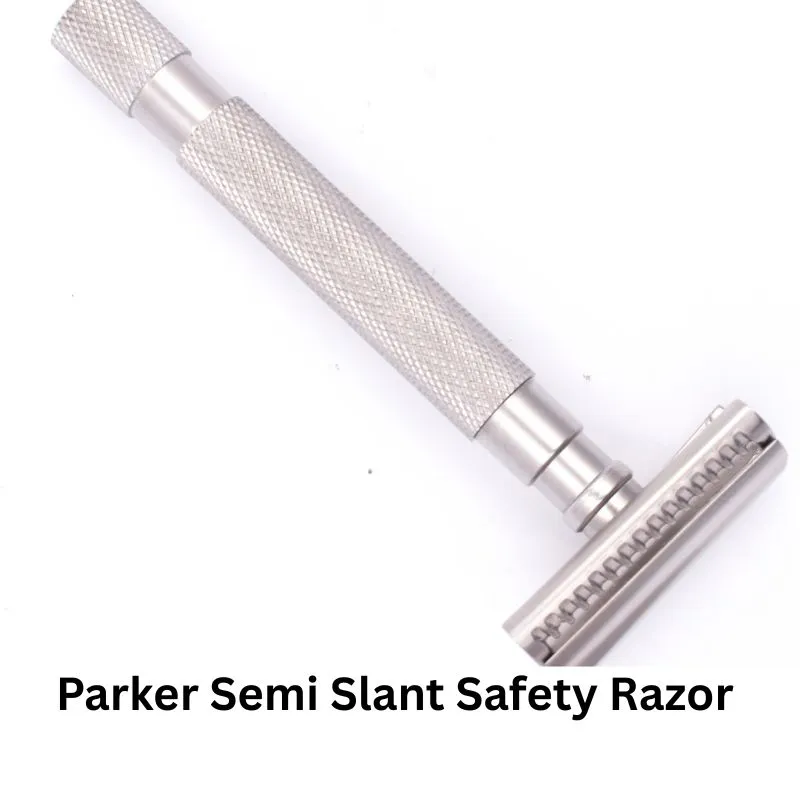
A milder slant design that offers efficiency without being too aggressive. Check Amazon UK
Razorock German 37 — Best Budget Slant Razor
Affordable, efficient, and great for coarse stubble.
Read Best Safety Razor Blades for Beginners (UK Guide)
Slant Razors vs Standard Safety Razors
Slant Razors
- Slice hair at an angle
- More efficient
- Great for coarse stubble
- Fewer passes needed
Standard Razors
- Straight cutting action
- More predictable
- Better for beginners
- More forgiving
If you struggle with coarse beard growth, slants can be a game‑changer. Read our Complete Safety Razor UK Guide
Should Beginners Use Slant Razors?
Yes — but only if your beard type needs it.
Beginners with coarse beard growth often find slants easier and smoother than aggressive open comb razors.
Beginners with sensitive skin or light stubble should start with:
- Edwin Jagger DE89
- Merkur 34C
- Rockwell 6C (R1–R3)
If you’re new to technique, read “How to Shave With a Safety Razor (Step‑by‑Step UK Guide)”.
Final Recommendation
If you have coarse beard growth or shave every 2–4 days, a slant razor can give you a smoother, more efficient shave with fewer passes. If you have sensitive skin or shave daily, stick with a mild closed comb razor.
Slants aren’t scary — they’re simply powerful tools that reward good technique.