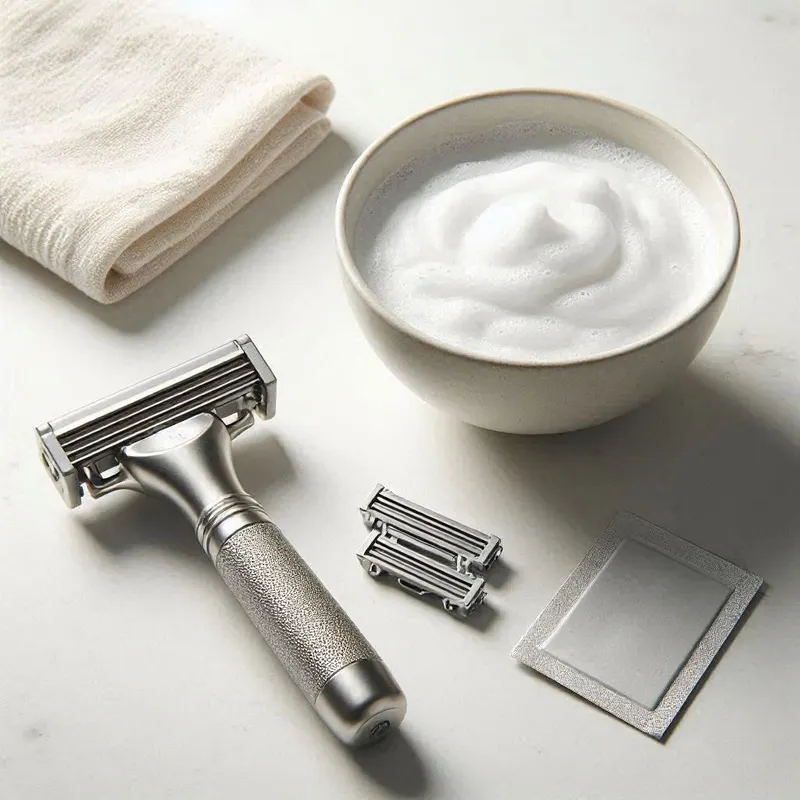
Safety razors offer a closer, smoother shave, but only if you understand how they work. My guide covers technique, razor types, blade choice, and everything you need to shave better with any type of safety razor.
What You’ll Learn in my Safety Razor Guide
This page is your complete hub for learning how to use a safety razor properly. Whether you’re a beginner or upgrading your technique, you’ll find clear, practical advice to help you get a closer, more comfortable shave.
How Safety Razors Work

A safety razor uses a single, sharp blade held at a fixed angle. This design and technique gives you:
- A closer shave
- Less irritation
- Lower long‑term cost
- Better control
Safety Razor Technique (Beginner to Advanced)
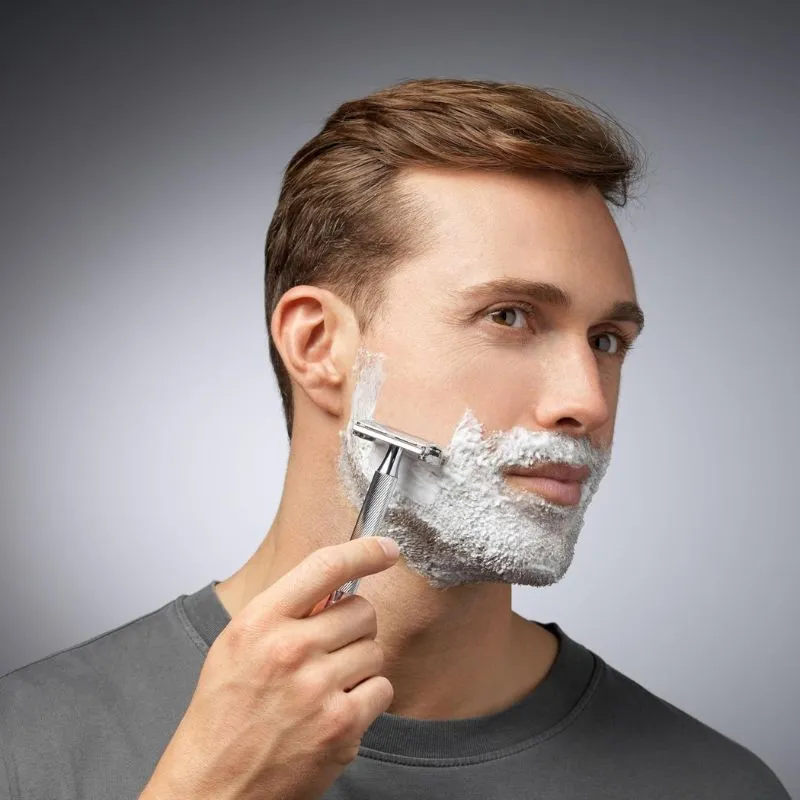
Technique matters more than the specific razor itself.
Key technique points:
- Use almost no pressure
- Keep the handle at a 30° angle
- Shave with the grain first
- Short, controlled strokes
- Rinse the blade often
Learn the full beginner technique in our How to Shave With a Safety Razor guide.
Open Comb vs Closed Comb
The razor head design affects aggressiveness and feel.
Closed comb:
- Best for beginners
- Smooth and forgiving
- Great for daily shaving
Open comb:
- More aggressive
- Better for coarse or long stubble
- Preferred by experienced shavers
- Find more detail in my Open vs closed comb guide
Safety Razor Aggressiveness Explained
Aggressiveness is influenced by:
- Blade gap
- Blade exposure
- Razor weight
- Razor head geometry
Mild razors:
- Best for beginners
- Less risk of irritation
Aggressive razors:
- Closer shave
- Requires good technique
- I have added this information which you can read at Aggressiveness explained in more detail.
Choosing the Right Blade
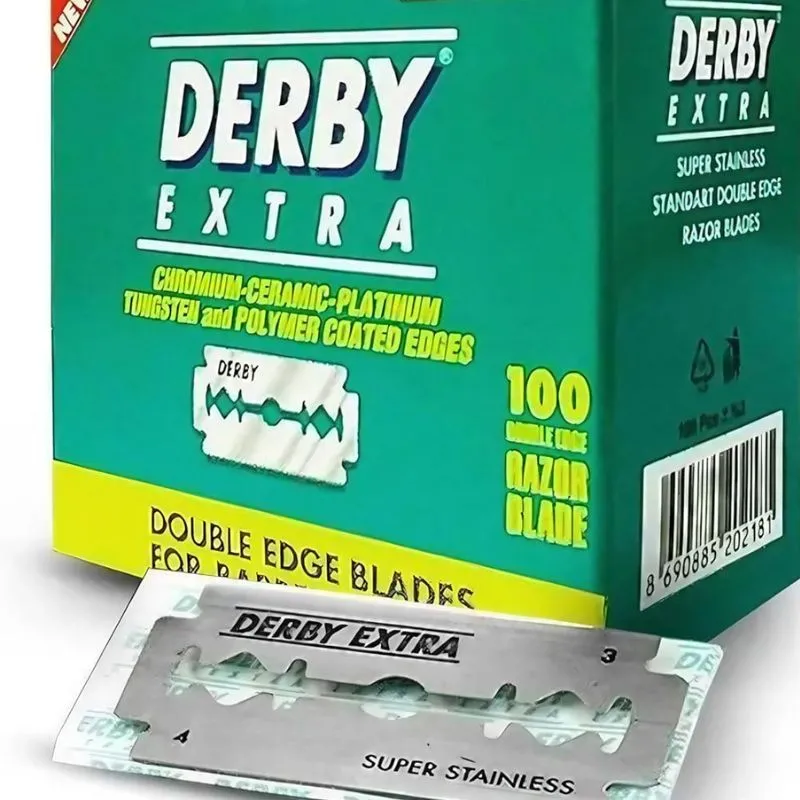
Blades vary in sharpness, smoothness, and coating.
Sharp blades:
- Feather
- Gillette 7 O’Clock Yellow
Smooth blades:
- Astra Green
- Derby Extra
Find much more detail in my blade comparison guide
Beginner vs Advanced Safety Razors
Beginner razors:
- Merkur 34C
- Edwin Jagger DE89
- Muhle R89
Advanced razors:
- Muhle R41
- Rockwell 6C/6S
- Adjustable razors
Safety Razor Troubleshooting
Common issues and fixes:
Razor burn:
- Reduce pressure
- Improve prep
- Use a slicker cream
Nicks & cuts:
- Check blade angle
- Use shorter strokes
Tugging:
- Replace blade
- Improve lather
If you’re struggling with irritation or tugging, see our Safety Razor Troubleshooting guide.
Recommended Tools & Products
Essentials for a great safety razor shave:
- Mild or medium‑aggressive razor
- Sharp, smooth blades
- Quality shaving cream or soap
- Shaving brush
- Aftershave balm
Explore More Safety Razor Guides
-
The Perfect Shaving Routine (Step‑by‑Step UK Guide)
A perfect shave isn’t about expensive products — it’s about using the right steps in the right order. This guide shows you the ideal shaving routine for smooth, comfortable, irritation‑free results. Why a Proper Routine Matters A great shave is built on preparation, technique and aftercare. Most shaving problems like razor burn, tugging, redness, patchiness…
-
How to Stop Your Razor Clogging While Shaving
Razor clogging makes shaving harder, increases irritation and forces you to press too hard. This guide explains why razors clog and how to stop it for a smoother, cleaner shave. Why Razors Clog Razor clogging happens when hair, shaving cream and natural skin oils get trapped between the blades. Cartridge razors clog the most because…
-
How to Fix Patchy Shaving Results
Patchy shaving happens when the razor misses areas of hair or cuts unevenly. This guide explains the causes and shows you how to fix patchy shaving for a smooth, even finish every time. Why Patchy Shaving Happens Patchy shaving is usually caused by uneven pressure, poor beard preparation, shaving too quickly or using a blade…
-
How to Stop Shaving Tugging and Pulling
Tugging and pulling during shaving means the razor isn’t cutting the hair cleanly. This guide explains the causes and shows you how to fix tugging for a smoother, more comfortable shave. Why Tugging Happens Tugging and pulling occur when the razor struggles to slice through the hair. This usually means the blade is dull, the…
-
Aftershave Balm vs Lotion: Which Should You Use?
Aftershave balm and aftershave lotion both soothe the skin after shaving, but they work very differently. This guide explains which one is best for your skin type and shaving routine. Why Aftershave Matters Shaving removes the top layer of skin, exposes fresh skin cells and leaves the surface more vulnerable to irritation. A good aftershave…