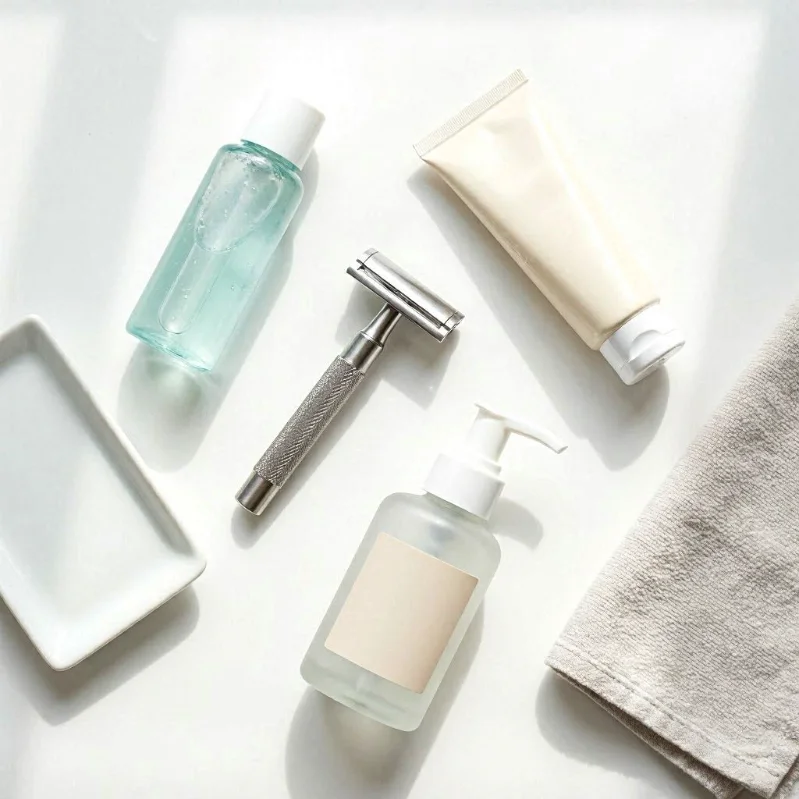
Combination skin can be tricky to shave — some areas are oily and prone to breakouts, while others are dry, tight or sensitive. This guide shows you the best shaving routine for combination skin, helping you balance both sides for a smooth, irritation‑free shave.
Why Combination Skin Is Difficult to Shave
Combination skin behaves differently depending on the area of your face. Your T‑zone — the forehead, nose and chin — often produces more oil, while the cheeks and jawline tend to be drier or more sensitive. This mix creates challenges during shaving because the razor interacts with each area differently.
Oily areas clog blades and cause breakouts, while dry areas become irritated or flaky. The goal is to balance both sides with a routine that hydrates where needed and controls oil where necessary.
Step 1: Cleanse With a Balanced Face Wash
Start by washing your face with a cleanser designed for combination skin. It should remove excess oil from the T‑zone without stripping moisture from the drier areas.
A gentle gel or cream cleanser works well because it keeps the skin clean and balanced before shaving. Avoid harsh soaps or anything heavily fragranced, as these can irritate the sensitive parts of your face.
Step 2: Use Warm Water to Soften the Beard
Warm water helps soften the beard and relax the skin, making shaving easier and more comfortable. Splash your face for 20–30 seconds or shave after a warm shower. This step ensures that both oily and dry areas are properly hydrated before the razor touches your skin.
Step 3: Apply Pre‑Shave Gel to Oily Areas and Pre‑Shave Oil to Dry Areas
Combination skin benefits from a split approach. Your oily areas, usually the T‑zone, respond best to a lightweight pre‑shave gel that reduces friction without adding shine or clogging pores.
Your drier areas, often the cheeks and jawline, need the extra protection of a pre‑shave oil, which softens the beard and prevents irritation. Applying the right product to each zone keeps the entire face comfortable during shaving.
Step 4: Use a Protective Shaving Cream
Choose a shaving cream that hydrates without feeling heavy. A cream‑based formula works well because it cushions the skin, lifts the hairs and provides a smooth surface for the razor to glide across.
Avoid foams from a can, as they often contain alcohol and propellants that irritate dry areas while overstimulating oily ones. Let the lather sit for 20–30 seconds before shaving to soften the beard further.
Step 5: Choose a Razor That Works for Both Skin Types
Combination skin needs a razor that is gentle enough for sensitive areas but effective enough to handle oilier zones. A mild safety razor is an excellent choice because it uses a single sharp blade, reducing irritation and preventing clogged cartridges.
If you prefer cartridges, choose a 2–3 blade razor rather than a 5‑blade model, which can scrape dry areas and clog quickly in oily ones. A foil electric shaver is also a good option for those who want minimal irritation.
Step 6: Shave With the Grain First
Your first pass should always follow the natural direction of hair growth. This reduces irritation on dry areas and prevents breakouts in oily zones. If you want a closer shave, you can shave across the grain on the second pass, but avoid going fully against the grain unless your skin tolerates it well.
Step 7: Use Light Pressure and Slow, Controlled Strokes
Combination skin reacts badly to pressure. Dry areas become irritated, while oily areas become more prone to razor bumps. Use a gentle touch and let the razor glide naturally. Short, controlled strokes give you better accuracy and reduce the risk of dragging or catching the skin.
Step 8: Rinse With Cool Water
Cool water helps calm the skin, reduce redness and tighten the pores. This step is especially helpful for oily areas, as it reduces shine and prevents post‑shave breakouts.
Step 9: Apply Aftershave Based on Each Area’s Needs
Combination skin benefits from targeted aftercare. Use a lightweight, alcohol‑free gel or lotion on oily areas to prevent shine and clogged pores.
On dry or sensitive areas, apply a soothing balm with hydrating ingredients like aloe vera, hyaluronic acid or ceramides. This dual approach keeps the entire face balanced and comfortable.
Step 10: Moisturise With a Lightweight, Non‑Comedogenic Product
Finish with a moisturiser designed for combination skin. It should hydrate the dry areas without overwhelming the oily ones. A gel‑cream texture works well because it absorbs quickly and leaves the skin smooth without shine.
Final Takeaway
Combination skin requires a shaving routine that adapts to both oily and dry areas. By cleansing properly, using the right pre‑shave products, choosing a gentle razor and applying targeted aftercare, you can achieve a smooth, comfortable shave without irritation or breakouts.