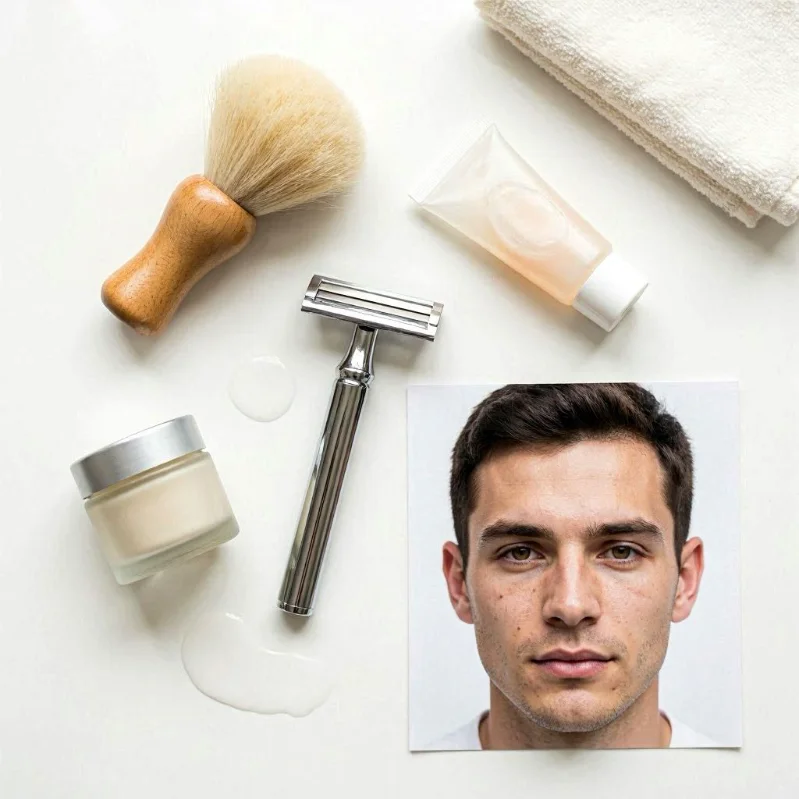
Acne‑prone skin is easily irritated by shaving. The wrong razor, poor preparation or harsh products can trigger breakouts, redness and razor bumps. This guide shows you the best shaving routine for acne‑prone skin, helping you shave cleanly without worsening spots or inflammation.
Why Acne‑Prone Skin Needs a Careful Shaving Routine
Shaving acne‑prone skin can be frustrating. Razor blades can irritate active spots, spread bacteria and trigger new breakouts. At the same time, avoiding shaving completely isn’t always practical.
The key is to shave in a way that protects the skin barrier, reduces bacteria and avoids unnecessary friction. With the right routine, you can shave comfortably without making acne worse.
Step 1: Cleanse With a Salicylic Acid or Tea Tree Face Wash
Start by removing excess oil, dirt and bacteria. A cleanser containing salicylic acid helps unclog pores and reduce inflammation, while tea tree provides natural antibacterial benefits.
Avoid harsh scrubs or anything gritty — these irritate active acne and make shaving more painful. A gentle, medicated cleanser prepares the skin for a smoother shave.
Step 2: Use Warm Water to Soften the Beard
Warm water softens the beard and relaxes the skin, making shaving easier and reducing the risk of dragging the razor across sensitive areas. Splash your face for 20–30 seconds or shave after a warm shower.
Soft hair cuts cleanly and reduces irritation around acne‑prone zones. If you’re dealing with bumps or trapped hairs, the ingrown hairs guide explains how to prevent them.
Step 3: Apply a Lightweight Pre‑Shave Gel
Pre‑shave oil can be too heavy for acne‑prone skin, so a lightweight gel is the better choice. It reduces friction, hydrates the skin and helps the razor glide without clogging pores.
Apply a thin layer and let it absorb before lathering. This step protects the skin without adding unnecessary oil.
Step 4: Use a Non‑Comedogenic Shaving Cream or Gel
Choose a shaving cream or gel labelled non‑comedogenic, meaning it won’t clog pores. Avoid foams from a can, as they often contain alcohol and propellants that irritate acne.
A smooth, protective lather helps the razor glide over the skin and reduces the chance of cutting or aggravating active spots. Let the lather sit for 20–30 seconds to soften the beard further.
Step 5: Choose the Right Razor
Acne‑prone skin benefits from razors that minimise friction and avoid scraping the skin. A mild safety razor is an excellent choice because it uses a single sharp blade, reducing irritation and preventing clogged cartridges.
A foil electric shaver is also very gentle and ideal for avoiding contact with active spots. If you prefer cartridges, choose a 2–3 blade razor rather than a 5‑blade model, which can trap oil and bacteria. Avoid dull blades, aggressive razors and anything that requires pressure to cut effectively.
Step 6: Shave With the Grain and Avoid Active Spots
Your first pass should always follow the natural direction of hair growth. Shaving against the grain increases irritation and can worsen acne. When you reach an active spot, glide around it rather than shaving directly over it. If a spot is raised or inflamed, shaving over it increases the risk of cuts, bleeding and spreading bacteria.
Step 7: Use Light Pressure and Slow Movements
Acne‑prone skin reacts badly to pressure. Let the razor glide naturally and avoid pressing into the skin. Slow, controlled strokes reduce the risk of dragging the blade across sensitive areas. This approach keeps the skin calmer and reduces the chance of post‑shave breakouts.
Men with coarse or curly hair may also benefit from the techniques in shaving coarse or curly hair to reduce irritation.
Step 8: Rinse With Cool Water
Cool water helps calm the skin, reduce redness and tighten the pores. This step is especially helpful for acne‑prone skin because it reduces inflammation and prepares the skin for aftercare.
Step 9: Apply an Alcohol‑Free, Non‑Comedogenic Aftershave
Avoid alcohol‑based aftershaves — they sting, dry the skin and trigger more oil production. Use a lightweight, non‑comedogenic gel or lotion containing soothing ingredients like aloe vera, witch hazel (alcohol‑free), niacinamide or panthenol.
These calm irritation and help the skin recover without clogging pores.
Step 10: Moisturise With a Lightweight, Oil‑Free Product
Finish with a moisturiser designed for acne‑prone skin. A gel‑cream texture works well because it hydrates without feeling heavy. Look for ingredients like hyaluronic acid, niacinamide or ceramides. Avoid thick creams that can trap oil and worsen breakouts.
If your skin is oily as well, the oily skin shaving routine offers a lighter, less comedogenic approach.
Final Takeaway
Acne‑prone skin needs a shaving routine that reduces friction, avoids clogged pores and protects active spots. With the right preparation, a gentle razor and lightweight aftercare, you can shave comfortably without worsening acne or irritation.