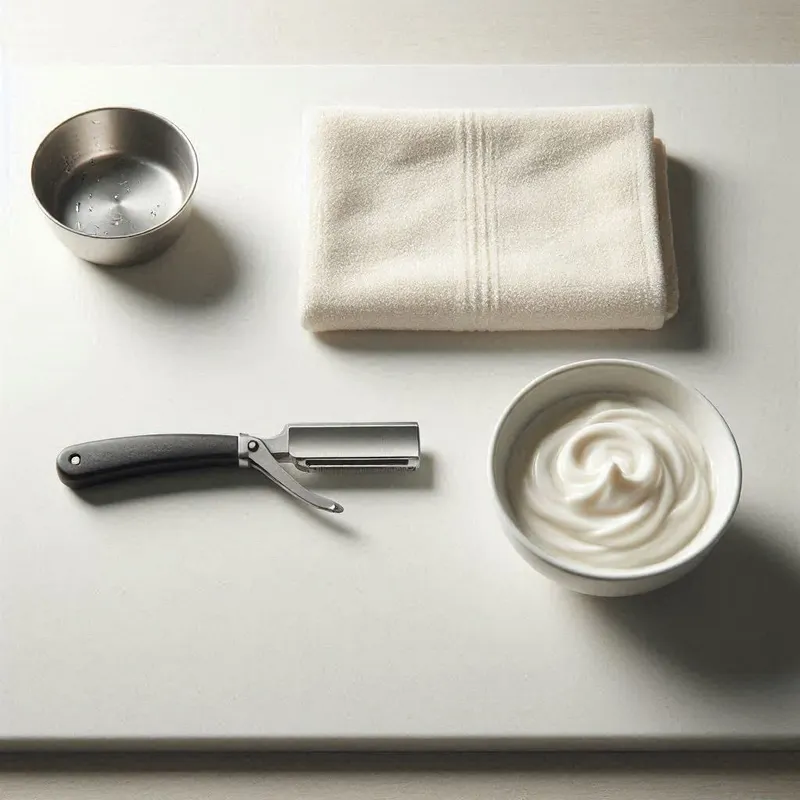
Shaving with a straight razor gives the closest, smoothest shave possible — but only with the right technique. This guide walks you through stropping, angles, pressure, passes, and safety so you can shave confidently and comfortably.
Why Straight Razor Technique Matters
A straight razor has an exposed, ultra‑sharp blade. That means:
- You control the angle
- You control the pressure
- You control the shave
Once you master the basics, you’ll get:
- The closest shave possible
- Less irritation
- Better long‑term skin health
- A traditional, satisfying shaving experience
I have also written a full straight razor guide for UK readers which you may also find useful
1. Prep Your Skin Properly
Straight razors demand excellent preparation.
Before shaving:
- Wash your face with warm water
- Apply a warm towel for 30 seconds
- Use a slick shaving cream or soap
- Build a glossy, hydrated lather
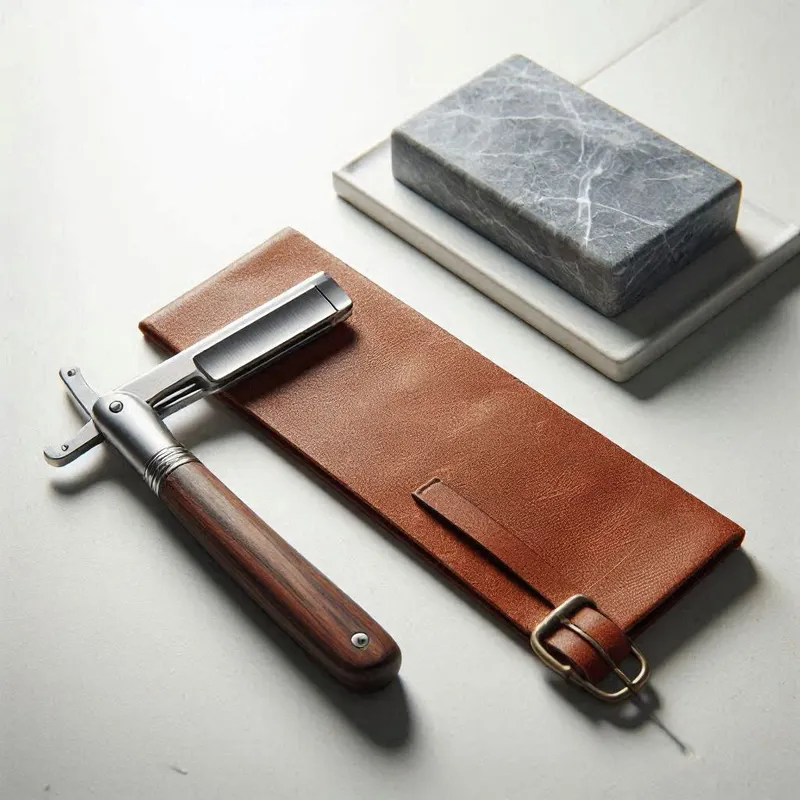
2. Strop the Razor Before Every Shave
Stropping aligns the edge and keeps it sharp.
How to strop:
- Attach the strop securely
- Lay the razor flat on the leather
- Lead with the spine, not the edge
- Use light pressure
- Flip the razor on the spine
- Perform 20–30 passes
3. Hold the Razor Correctly
Use the classic three‑finger grip:
- Thumb on the shank
- First two fingers on the opposite side
- Pinky on the tang
- Spine facing upward
This gives maximum control and stability.
4. Maintain a 30° Shaving Angle
This is the most important part of straight razor technique.
Too steep:
- Causes scraping, irritation, and cuts
Too shallow:
- Won’t cut the hair effectively
Aim for roughly two spine widths away from the skin.
5. Use Light, Confident Strokes
Let the razor glide — don’t force it.
Tips:
- Use short strokes (1–2 cm)
- Keep the skin taut
- Maintain a steady rhythm
- Rinse the blade frequently
If you feel tugging, stop and adjust your angle or lather.
6. Stretch the Skin With Your Free Hand
Straight razors work best on flat, tight skin.
Why it helps:
- Reduces nicks
- Gives a closer shave
- Improves blade control
Especially important on the neck and jawline.
7. Follow the Correct Shaving Passes
Pass 1: With the Grain (WTG)
The safest and most important pass.
Pass 2: Across the Grain (XTG)
Optional, but improves closeness.
Pass 3: Against the Grain (ATG)
Only if your skin tolerates it.
8. Re‑Lather Between Passes
Never shave over bare skin.
A fresh layer of lather provides:
- Slickness
- Cushion
- Hydration
- Protection
This prevents razor burn and irritation.
9. Rinse With Cold Water After Shaving
Cold water:
- Closes pores
- Reduces redness
- Calms irritation
10. Apply a Soothing Aftershave Balm
Avoid alcohol‑heavy splashes — they dry the skin.
Look for ingredients like:
- Aloe vera
- Witch hazel
- Chamomile
- Niacinamide
11. Clean and Dry the Razor Properly
Straight razors must be kept dry to prevent rust.
After shaving:
- Rinse with warm water
- Dry thoroughly with a soft towel
- Store in a dry place
- Oil the blade if not used regularly
12. Common Straight Razor Mistakes
- Using too steep an angle
- Pressing too hard
- Not stretching the skin
- Poor lather
- Not stropping properly
- Shaving too fast
13. When to Hone Your Razor
If the razor feels dull even after stropping:
- It’s time for honing
- Usually every 2–3 months
- Use a whetstone or send to a professional